






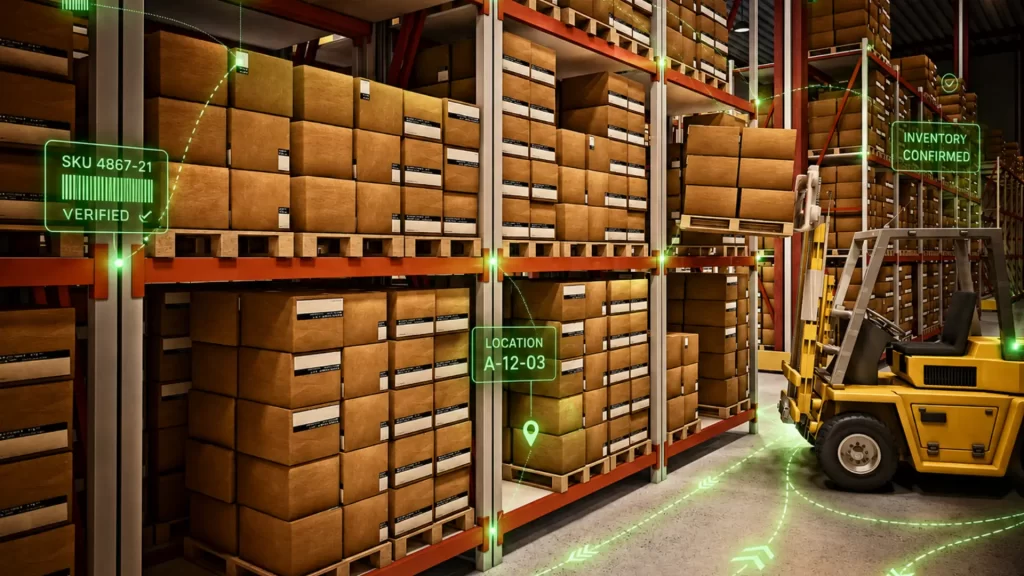
Many businesses involved in importing goods ask the question: What is bonded warehousing and how does it work?
For importers managing international cargo, bonded warehousing can provide valuable flexibility, improved cash flow management and more efficient supply chain planning. However, many businesses are unfamiliar with how bonded warehousing operates and when it should be used.
In simple terms, bonded warehousing allows imported goods to be stored under customs control before duties and taxes are paid. This gives importers more control over inventory while delaying certain financial obligations until goods are ready to enter the local market.
As supply chains become increasingly complex, bonded warehousing has become an important logistics solution for businesses seeking greater flexibility and operational efficiency.
According to the South African Revenue Service (SARS Customs), customs-controlled cargo is subject to specific regulatory requirements. Bonded warehousing provides a structured mechanism for managing imported goods within these requirements.
What Is Bonded Warehousing And How Does It Work?
Bonded warehousing refers to the storage of imported goods in an authorised facility under customs control before customs duties and taxes have been paid.
Rather than immediately clearing cargo into the local market, importers can store goods within a bonded facility and defer certain customs obligations until the goods are released.
This creates greater flexibility for businesses that may not need immediate distribution of all imported inventory.
Bonded warehousing can be particularly valuable for companies managing seasonal inventory, large import volumes or complex distribution requirements.
How Does Bonded Warehousing Work In South Africa?
When imported goods arrive in South Africa, they can be transferred to an authorised bonded facility where they remain under customs control.
The goods can then be stored until they are:
- Released into the local market
- Transferred under customs control
- Exported
- Processed according to applicable regulations
During this period, customs duties and taxes are generally deferred until the goods are released for local consumption.
This structure provides importers with greater flexibility when managing inventory and cash flow.
Why Businesses Use Bonded Warehousing
Bonded warehousing offers several advantages that make it attractive to importers.
One of the primary benefits is flexibility. Businesses can import goods and position inventory within South Africa without immediately releasing all stock into the market.
This allows companies to align inventory availability more closely with actual demand.
Additional benefits may include:
- Improved inventory management
- Deferred customs payments
- Greater supply chain flexibility
- Improved distribution planning
- Enhanced operational control
For many importers, bonded warehousing becomes an important component of a broader logistics strategy.
How Bonded Warehousing Supports Supply Chain Planning
Modern supply chains require flexibility.
Market demand can fluctuate, customer requirements can change and inventory levels need to be carefully managed.
Bonded warehousing provides a mechanism for storing imported goods while businesses make strategic decisions about distribution and stock allocation.
This can help reduce pressure on supply chains while supporting more efficient inventory management.
Need Transportation Support For Imported Cargo?
Shipping & General provides nationwide transportation solutions designed to support the efficient movement of imported cargo throughout South Africa.
Bonded Warehousing Versus Traditional Warehousing
Although bonded warehouses and traditional warehouses may appear similar, they serve different purposes.
A standard warehouse stores goods that have already been cleared into the local market.
Bonded warehousing involves goods that remain under customs control until specific regulatory requirements have been satisfied.
This distinction creates important financial and operational differences for importers.
Understanding these differences helps businesses determine which solution is most appropriate for their supply chain requirements.
The Relationship Between Bonded Warehousing And Customs Compliance
Bonded warehousing operates within a regulatory framework designed to maintain customs oversight of imported goods.
The World Customs Organization continues to promote efficient customs procedures that facilitate international trade while maintaining compliance and security.
Businesses using bonded facilities must comply with applicable customs requirements and maintain appropriate records relating to stored goods.
This structured environment provides transparency while supporting legitimate trade activities.
How Bonded Warehousing Can Improve Cash Flow
One of the most significant advantages of bonded warehousing is its potential impact on cash flow management.
Businesses often need to import large volumes of inventory to meet customer demand, secure supply or achieve purchasing efficiencies. However, releasing all imported goods into the local market immediately may not always make financial sense.
Bonded warehousing allows businesses to align inventory release with actual sales and operational requirements.
Rather than placing unnecessary pressure on working capital, importers can take a more strategic approach to inventory deployment.
For many businesses, this flexibility creates opportunities to improve financial planning while maintaining product availability.
Why Bonded Warehousing Is Valuable For Importers
Importers often face challenges balancing inventory availability with financial efficiency.
Holding too little stock can result in shortages and missed sales opportunities, while holding excessive inventory can create unnecessary carrying costs.
Bonded warehousing provides a middle ground by allowing businesses to position inventory strategically while maintaining flexibility regarding future distribution decisions.
This is particularly valuable for:
- Seasonal inventory
- High-value goods
- Large import volumes
- Multi-branch distribution networks
- Complex supply chains
As market conditions change, businesses can adapt inventory release schedules to match demand more effectively.
How Transportation Supports Bonded Warehousing
Bonded warehousing is only one part of the logistics process.
Once goods are ready to move, transportation becomes critical to maintaining supply chain efficiency.
Reliable transportation services help businesses move cargo between ports, warehouses, depots and final destinations.
Efficient transport planning helps ensure that inventory moves smoothly throughout the supply chain without creating unnecessary delays or operational bottlenecks.
The integration of transportation and warehousing often creates significant efficiency gains for importers.
Need Warehousing Or Container Depot Support?
Shipping & General offers warehousing and container depot solutions designed to support efficient inventory management and supply chain performance.
How Container Depots And Bonded Warehousing Work Together
Container depots and bonded warehousing often play complementary roles within the logistics process.
Professional container depot services support efficient container handling and cargo movement, while bonded warehousing provides controlled storage for imported goods.
Together, these services help businesses improve:
- Cargo flow
- Inventory management
- Container utilisation
- Supply chain visibility
- Operational flexibility
For importers managing large cargo volumes, the combination of depot and warehousing services can create significant operational advantages.
The Role Of Customs Licensed Facilities
Many importers also benefit from working with facilities that operate within customs-controlled environments.
A customs licensed container depot provides additional flexibility for managing imported cargo and supporting customs-related logistics processes.
These facilities help businesses maintain compliance while improving the movement and management of cargo throughout the supply chain.
For organisations involved in international trade, customs licensed infrastructure can become an important part of a broader logistics strategy.
How Shipping & General Supports Importers
Shipping & General supports South African businesses through integrated logistics solutions designed to improve efficiency and support supply chain performance.
Rather than providing transportation alone, the company combines multiple logistics services to help businesses manage cargo more effectively.
Key services include:
- Nationwide transportation services
- Warehousing solutions
- Container depot services
- Customs licensed container depot facilities
- SOLAS weighing services
- Cargo storage and handling
- Distribution support
By integrating these services through a single logistics partner, businesses can often improve visibility, reduce complexity and strengthen overall supply chain performance.
Why Integrated Logistics Creates Greater Flexibility
Many importers use separate providers for transportation, warehousing and container handling.
While this can work, it often introduces communication challenges and operational inefficiencies.
The International Chamber of Commerce Incoterms® framework highlights the importance of clearly defined responsibilities throughout the movement of cargo.
Integrated logistics solutions provide:
- Improved communication
- Enhanced accountability
- Better visibility
- Reduced delays
- Greater operational control
For businesses seeking greater flexibility, integrated logistics often delivers significant advantages.
Final Answer: What Is Bonded Warehousing And How Does It Work?
If you are asking, “What is bonded warehousing and how does it work?”, the answer is straightforward.
Bonded warehousing allows imported goods to be stored under customs control before they are released into the local market. This provides businesses with greater flexibility when managing inventory, planning distribution and controlling supply chain operations.
For many importers, bonded warehousing improves operational flexibility while supporting better inventory management and financial planning.
When combined with transportation, warehousing, container depot services and customs licensed logistics infrastructure, bonded warehousing becomes a valuable tool for optimising supply chain performance.
Shipping & General supports South African businesses through integrated logistics solutions designed to help importers manage cargo efficiently throughout every stage of the supply chain.
Partner With South Africa’s Logistics Specialists
Looking for warehousing, transportation or customs licensed logistics support? Shipping & General offers integrated logistics solutions tailored to South African importers and supply chains.