






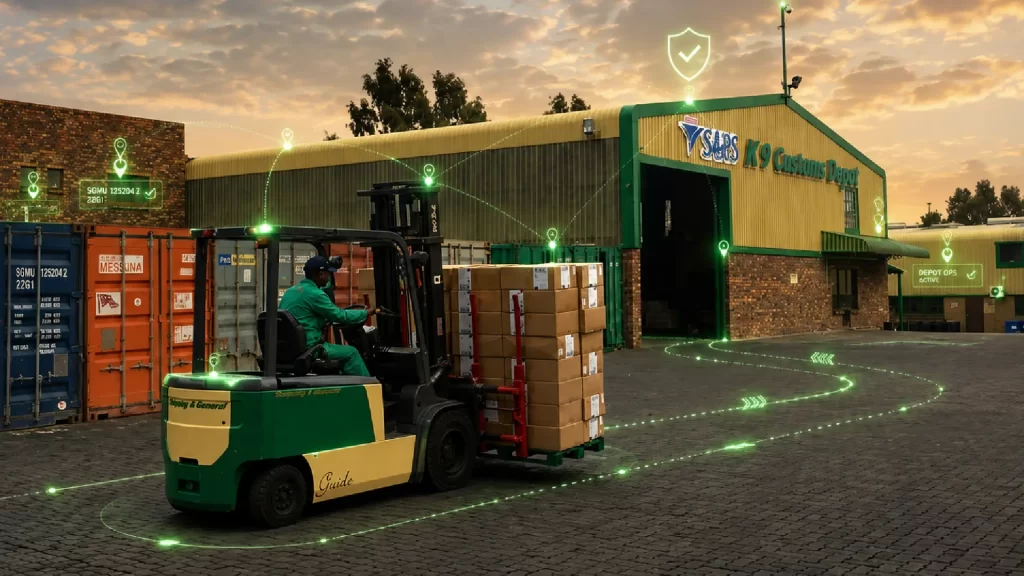
For many importers, one of the most stressful notifications they can receive is that their shipment has been selected for a customs examination. This often leads to the question: What happens during a customs examination?
Customs examinations are a normal part of international trade and are used by customs authorities to verify cargo, confirm compliance and protect the integrity of the supply chain. While examinations can create delays, they do not necessarily indicate a problem with the shipment.
In South Africa, customs examinations form part of the broader customs clearance process and may be conducted for a variety of reasons. Understanding how examinations work can help importers manage expectations, prepare documentation and reduce unnecessary disruptions.
According to the South African Revenue Service (SARS Customs), customs authorities are responsible for enforcing import regulations, collecting duties and taxes and ensuring compliance with national legislation.
As a result, customs examinations remain an important tool for verifying that cargo entering South Africa matches the declarations submitted by importers and their agents.
What Happens During A Customs Examination?
A customs examination is a process where customs authorities inspect cargo, documentation or containers to verify compliance with import regulations.
The examination may involve document reviews, physical inspections, container scans or a combination of these activities.
The primary objectives are to:
- Verify cargo descriptions
- Confirm tariff classifications
- Validate declared values
- Check regulatory compliance
- Identify prohibited or restricted goods
- Protect revenue collection
- Support supply chain security
Customs examinations can vary significantly depending on the type of cargo, the risk profile of the shipment and the information available to customs authorities.
Why Is Cargo Selected For A Customs Examination?
Many importers assume that customs examinations only occur when there is a problem with the shipment. This is not always the case.
Customs authorities use risk management systems to determine which shipments require additional scrutiny.
A container may be selected because of:
- Random selection processes
- Documentation discrepancies
- Tariff classification concerns
- Valuation queries
- Compliance requirements
- Industry-specific risk factors
- Intelligence-led investigations
In some cases, a shipment may be selected purely as part of routine customs procedures.
Document Examinations Often Occur First
Before a physical inspection takes place, customs authorities frequently review the documentation associated with the shipment.
This may include:
- Commercial invoices
- Packing lists
- Bills of lading
- Import permits
- Certificates of origin
- Customs declarations
The purpose of the document review is to ensure consistency between the information provided and the goods being imported.
Even minor inconsistencies can trigger requests for additional information or further inspection.
Physical Cargo Inspections
When customs authorities decide that a physical inspection is necessary, the container may be moved to a designated examination area.
During the inspection, customs officials may:
- Open the container
- Inspect packaging
- Verify cargo quantities
- Check product descriptions
- Confirm compliance requirements
- Review markings and labels
The extent of the inspection depends on the reason for the examination.
Some inspections involve only a partial examination of the cargo, while others may require a more detailed review.
Need Transport Support Once Cargo Is Released?
Shipping & General provides nationwide transportation solutions designed to move cargo efficiently once customs processes have been completed.
Container Scanning And Technology-Based Inspections
Not every customs examination requires the container to be physically opened.
Modern customs authorities increasingly use scanning technology and risk-based systems to assess cargo.
Container scanning can help customs officials identify anomalies, confirm cargo configurations and determine whether further inspection is required.
These technologies help improve efficiency while maintaining security and compliance standards.
How Long Does A Customs Examination Take?
One of the most common concerns for importers is how long the examination process will take.
The answer depends on several factors, including:
- The type of examination
- Cargo complexity
- Documentation quality
- Operational conditions
- Availability of customs resources
- Port and terminal activity levels
Some examinations are completed relatively quickly, while others may require additional verification before cargo can be released.
This is why preparation and accurate documentation are critical for minimising delays.
What Happens After A Customs Examination?
Once the examination has been completed, customs authorities will assess the findings and determine the next step in the clearance process.
In many cases, if the cargo matches the documentation and complies with applicable regulations, customs will authorise the release of the shipment.
However, if discrepancies are identified, customs may request additional documentation, clarification or corrective action before release can occur.
Possible outcomes include:
- Immediate cargo release
- Additional document requests
- Valuation reviews
- Tariff classification reviews
- Compliance investigations
- Regulatory referrals
The outcome depends on the nature of the examination and the findings identified during the process.
How Customs Examinations Affect Supply Chains
Although customs examinations are a routine part of international trade, they can have a significant impact on supply chain performance.
When cargo is delayed, businesses may experience:
- Inventory shortages
- Missed delivery commitments
- Production disruptions
- Increased storage costs
- Transport rescheduling costs
- Customer service challenges
The longer cargo remains under customs control, the greater the potential impact on the business.
This is why many importers focus on reducing customs-related risks through better preparation and stronger logistics planning.
How Examinations Can Increase Logistics Costs
Customs examinations do not automatically create costs, but delays associated with examinations often do.
Importers may face additional expenses such as:
- Container detention charges
- Demurrage fees
- Port storage costs
- Additional handling charges
- Transport rescheduling expenses
- Inventory carrying costs
These costs can accumulate quickly, particularly when cargo remains delayed for extended periods.
Businesses that understand the customs process and plan accordingly are often better positioned to minimise financial impacts.
The Importance Of Accurate Documentation
One of the most effective ways to reduce customs-related delays is to ensure that all documentation is complete, accurate and consistent.
Importers should verify:
- Commercial invoices
- Packing lists
- Cargo descriptions
- Tariff classifications
- Declared values
- Import permits
- Certificates and approvals
Accurate documentation helps customs authorities complete reviews more efficiently and reduces the likelihood of additional queries.
Many customs delays can be traced back to avoidable documentation errors.
The Role Of Container Depots After Customs Examinations
Once cargo has been released, efficient logistics execution becomes critical.
Professional container depot services help businesses manage cargo movement, container handling and supply chain coordination after customs clearance.
Container depots support:
- Container handling
- Cargo storage
- Distribution planning
- Operational flexibility
- Supply chain efficiency
By ensuring cargo continues moving efficiently after release, businesses can minimise the operational impact of customs-related delays.
Need Warehousing Or Container Depot Support?
Shipping & General offers warehousing and container depot solutions designed to support efficient cargo movement throughout the supply chain.
How Customs Licensed Container Depots Support Importers
For businesses managing imported cargo, a customs licensed container depot can provide valuable operational support.
These facilities help importers manage cargo efficiently while maintaining compliance and improving supply chain flexibility.
The World Customs Organization continues to promote efficient customs procedures and cargo handling as critical elements of global trade.
Businesses that work with experienced logistics providers are often better positioned to manage customs-related challenges while maintaining cargo flow.
How Shipping & General Supports Businesses During The Customs Process
Shipping & General supports businesses through integrated logistics services designed to keep cargo moving efficiently before and after customs clearance.
Key services include:
- Nationwide transportation services
- Warehousing solutions
- Container depot services
- Customs licensed container depot facilities
- SOLAS weighing services
- Cargo storage and handling
- Distribution support
By combining these services through a single logistics partner, businesses can improve operational efficiency and reduce supply chain complexity.
Final Answer: What Happens During A Customs Examination?
If you are asking, “What happens during a customs examination?”, the process typically involves documentation reviews, cargo inspections, container scans or compliance verification activities conducted by customs authorities.
The objective is to confirm that cargo matches the submitted declarations and complies with applicable regulations.
While examinations can create delays, they are a normal part of international trade and play an important role in protecting supply chain integrity.
Businesses can reduce the impact of customs examinations by maintaining accurate documentation, ensuring compliance and working with experienced logistics partners.
For companies requiring transportation, warehousing, container depot services and customs licensed logistics support, Shipping & General provides integrated solutions designed to support efficient cargo movement throughout South Africa.
Partner With South Africa’s Logistics Specialists
Need support managing cargo after customs clearance? Shipping & General offers transportation, warehousing, container depot and customs licensed logistics solutions tailored to South African businesses.