






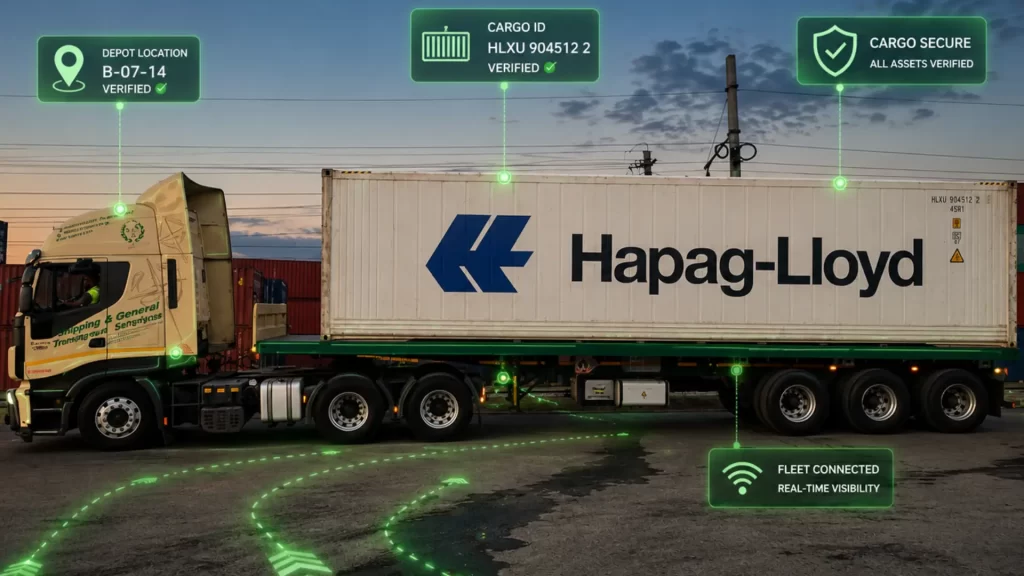
Businesses across multiple industries regularly ask: What causes supply chain delays in South Africa?
Whether importing goods, distributing products nationally or managing complex logistics operations, supply chain disruptions can significantly impact profitability, customer satisfaction and operational efficiency.
Logistics disruptions have become an increasingly important concern as businesses face growing pressure to maintain inventory availability while controlling costs. Consequently, organisations need a clear understanding of the factors that affect cargo movement throughout the country.
Although some disruptions are unavoidable, many delays can be reduced through better planning, stronger logistics partnerships and improved operational visibility.
South Africa’s logistics network remains one of the largest and most sophisticated in Africa. However, businesses must still navigate multiple challenges that can affect the efficient movement of cargo.
According to Transnet Port Terminals, efficient cargo movement depends on the successful coordination of ports, transportation networks, storage facilities and customs processes. Consequently, delays in any one area can affect the entire logistics chain.
What Causes Supply Chain Delays In South Africa?
Supply chain delays in South Africa can occur for many reasons, including transportation challenges, customs processing delays, port congestion, documentation issues, infrastructure constraints and poor operational visibility.
In many cases, delays result from a combination of factors rather than a single event.
Common causes include:
- Port congestion
- Customs clearance delays
- Transportation bottlenecks
- Documentation errors
- Container availability challenges
- Inventory management issues
- Limited visibility across the supply chain
- Infrastructure constraints
Therefore, businesses that understand these risks are often better positioned to minimise disruption.
Why Understanding Logistics Delays Matters
Many organisations view logistics delays as unavoidable.
However, understanding what causes supply chain delays in South Africa allows businesses to identify weaknesses, improve planning and reduce operational risk.
Furthermore, companies that actively manage supply chain risks often achieve better customer service levels and stronger operational performance.
As a result, supply chain resilience has become a competitive advantage across many industries.
How Port Congestion Causes Supply Chain Delays In South Africa
Port congestion remains one of the most significant contributors to supply chain delays in South Africa.
Large volumes of imported and exported cargo move through the country’s ports every day. Consequently, any disruption to port operations can quickly affect inland transportation, warehousing and distribution activities.
Port-related delays may result from:
- High cargo volumes
- Operational bottlenecks
- Equipment constraints
- Weather-related disruptions
- Scheduling challenges
Therefore, businesses that rely heavily on imported goods should closely monitor port activity and maintain contingency plans where possible.
How Customs Delays Create Supply Chain Delays In South Africa
Customs clearance is another important factor affecting cargo movement.
The South African Revenue Service (SARS Customs) performs an essential role in protecting revenue, maintaining compliance and facilitating legitimate trade.
However, customs processes may occasionally extend cargo release timelines.
For example, delays can occur when:
- Documentation contains errors
- Additional information is required
- Customs examinations are requested
- Compliance concerns arise
- Valuation reviews are conducted
Consequently, businesses that prioritise documentation accuracy often reduce the likelihood of customs-related disruptions.
Need Reliable Transportation Support?
Shipping & General provides nationwide transportation solutions designed to keep cargo moving efficiently throughout South Africa.
Transportation Bottlenecks And Cargo Movement Challenges
Even after cargo clears customs, transportation challenges can create additional delays.
South Africa’s logistics sector depends heavily on road freight. Therefore, disruptions affecting transport availability can quickly impact operational performance.
Transportation-related delays may result from:
- Vehicle availability constraints
- Route congestion
- Scheduling conflicts
- Operational inefficiencies
- Unexpected disruptions
Consequently, businesses that work with experienced transportation partners often experience more consistent logistics performance.
The Impact Of Documentation Errors
Documentation remains one of the most overlooked causes of logistics disruption.
Even minor errors can delay cargo movement significantly.
For example, inconsistencies between invoices, packing lists, customs declarations and transport documentation can trigger additional reviews.
Furthermore, missing information often results in requests for clarification that extend processing timelines.
Therefore, accurate documentation remains one of the simplest and most effective ways to reduce delays and improve cargo flow.
The Role Of Supply Chain Visibility
Many organisations struggle to identify problems before they affect operations.
As a result, limited visibility often contributes directly to logistics disruptions and operational inefficiencies.
When businesses cannot accurately track cargo movement, monitor inventory levels or identify bottlenecks, decision-making becomes more difficult.
Consequently, delays may escalate before logistics teams have an opportunity to intervene.
Improved visibility allows businesses to:
- Monitor cargo movements
- Track inventory levels
- Improve transportation planning
- Identify bottlenecks early
- Respond faster to disruptions
Therefore, supply chain visibility has become one of the most important tools for improving logistics performance.
Infrastructure Challenges Facing Logistics Operations
Infrastructure remains a critical component of every logistics network.
However, infrastructure constraints can create significant operational challenges when demand exceeds available capacity.
Common challenges may include:
- Road network congestion
- Port infrastructure limitations
- Storage capacity constraints
- Cargo handling bottlenecks
- Distribution network pressures
Consequently, businesses often need flexible logistics strategies that allow them to adapt when infrastructure-related disruptions occur.
Furthermore, organisations that diversify logistics options frequently improve resilience and operational continuity.
Container Availability And Operational Efficiency
Container availability also plays an important role in cargo movement.
When containers are delayed, misplaced or unavailable when needed, operational performance can suffer.
For example, container-related challenges may affect:
- Import operations
- Export schedules
- Transportation planning
- Inventory availability
- Customer delivery commitments
Therefore, businesses that actively manage container movements often reduce disruption and improve logistics efficiency.
Professional container depot services can help improve container handling and operational flexibility.
Need Warehousing Or Container Depot Support?
Shipping & General offers integrated warehousing and container depot solutions designed to improve cargo flow and reduce operational bottlenecks.
How Warehousing Supports Supply Chain Resilience
Warehousing plays a critical role in maintaining operational continuity.
Rather than relying solely on just-in-time inventory strategies, many businesses use professional warehousing solutions to improve flexibility and responsiveness.
Warehousing can help organisations:
- Maintain inventory availability
- Reduce stock shortages
- Improve order fulfilment
- Support distribution planning
- Increase operational flexibility
Consequently, businesses that use strategically located warehousing facilities often reduce the impact of logistics disruptions.
The Benefits Of Integrated Logistics
Many businesses use different providers for transportation, warehousing and cargo handling.
However, fragmented logistics operations frequently create communication gaps and operational inefficiencies.
Integrated logistics solutions help businesses improve:
- Communication
- Operational visibility
- Transportation planning
- Inventory management
- Supply chain coordination
The International Chamber of Commerce Incoterms® framework highlights the importance of clearly defined responsibilities throughout international cargo movements.
Therefore, businesses that align logistics functions under a coordinated strategy often experience fewer disruptions.
How Shipping & General Helps Reduce Supply Chain Delays In South Africa
Shipping & General supports businesses through integrated logistics solutions designed to minimise supply chain delays in South Africa.
Rather than focusing solely on transportation, the company combines multiple logistics capabilities to support efficient cargo movement from port to final destination.
Key services include:
- Nationwide transportation services
- Warehousing solutions
- Container depot services
- Customs licensed container depot facilities
- SOLAS weighing services
- Cargo storage and handling
- Distribution support
As a result, businesses can improve coordination, reduce operational bottlenecks and strengthen overall supply chain performance.
Final Answer: What Causes Supply Chain Delays In South Africa?
If you are asking, “What causes supply chain delays in South Africa?”, the answer typically involves multiple factors working together.
Port congestion, customs processing delays, transportation bottlenecks, documentation errors, infrastructure constraints, container availability challenges and limited operational visibility all contribute to logistics disruptions across South Africa.
However, businesses can significantly reduce disruption through proactive planning, accurate documentation, improved visibility and integrated logistics solutions.
Furthermore, organisations that work with experienced logistics partners often improve resilience and maintain stronger operational performance.
Ultimately, reducing supply chain delays in South Africa requires a coordinated approach that combines transportation, warehousing, container management and logistics expertise.
Shipping & General provides integrated logistics solutions designed to keep cargo moving efficiently while helping businesses overcome common operational challenges.
Partner With South Africa’s Logistics Specialists
Looking to reduce delays and improve logistics performance? Speak to Shipping & General about integrated transportation, warehousing and container depot solutions.