






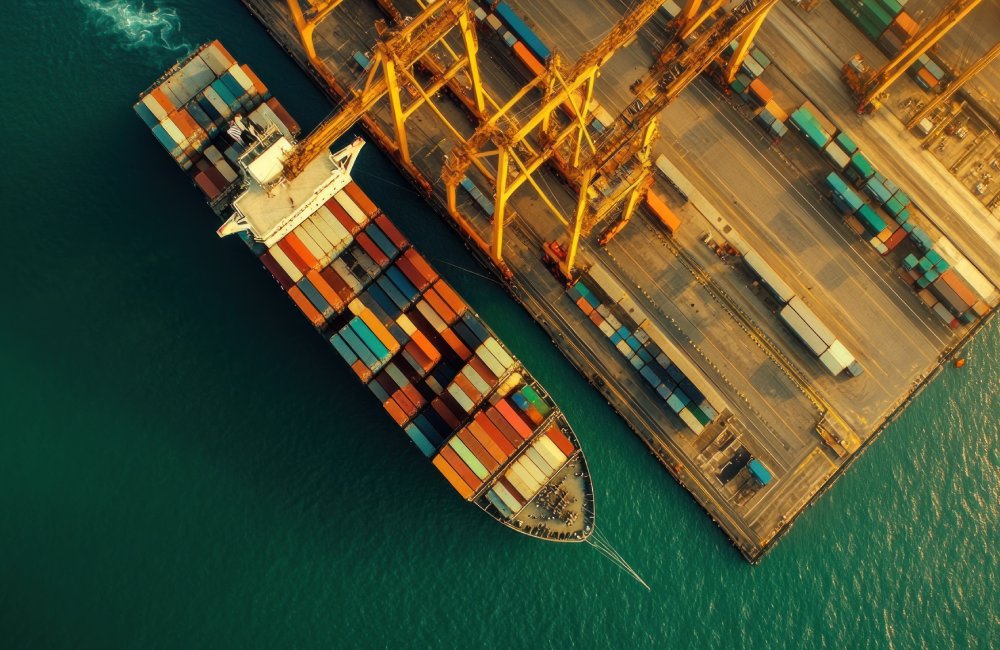
South Africa’s ports continue to make global headlines as pivotal gateways for trade, but 2026 has brought a mix of challenges and opportunities. From weather-induced delays to strategic upgrades, the performance of key ports such as Durban, Cape Town, and Port Elizabeth is critical for importers, exporters, and logistics providers alike. South Africa’s Port Landscape:
For companies relying on efficient freight movement — whether for stock replenishment, export goods, or seasonal cargo — understanding port conditions and having a dependable logistics partner is non-negotiable. That’s where Shipping and General, a seasoned landside logistics specialist, plays a vital role in keeping your supply chain resilient, responsive, and ready for whatever the ports throw at it. (Shipping and General)
1. South African Ports at a Glance — What’s Happening in 2026?
Durban: The Busiest Port Facing Scrutiny
The Port of Durban, historically South Africa’s flagship maritime hub, has been under intense scrutiny in recent years due to performance issues. Despite handling a substantial portion of the country’s container traffic, it was ranked near the bottom of global container port performance indexes — facing criticism for slow turnaround times, congestion, and reliability concerns. (The Witness)
However, this narrative is shifting. South African authorities and port operators are increasingly focused on modernisation and operational improvement. Strategic partnerships with international terminal operators aim to boost port capacity, enhance equipment, and integrate new technologies that improve vessel handling and cargo flow.
Durban’s challenges and improvements matter deeply to logistics providers, because delays here can have a ripple effect across the entire inland supply chain — from freight schedules to warehouse planning.
Cape Town: Battling Weather and Boosting Capacity
Cape Town’s port facilities are no stranger to operational disruptions, particularly from strong coastal winds that can shut down container handling for significant hours. Operators have responded by investing in more wind-robust equipment and planning systems to maintain throughput even under adverse conditions. (INTER-SPED)
Additionally, capacity expansions — including new cranes and intermodal logistics precinct developments — are expected to boost port efficiency through 2026. These upgrades are critical for exporters, especially those in agriculture and manufactured goods, who rely on predictable sailings and port turnaround times.
Port Elizabeth (Gqeberha): Emerging with a Steady Hand – South Africa’s Port Landscape
Port Elizabeth, also known as the Port of Gqeberha, plays a crucial role in Eastern Cape trade corridors. While historically ranking near the bottom in global port performance indexes, incremental changes and steadier operations are positioning it as a reliable alternative for certain export and import routes. (Wikipedia)
This port’s strategic placement along the South African east coast makes it valuable for cargo that doesn’t need to navigate the busier Durban hub — providing diverse routing options for logistics planners.
2. What These Port Trends Mean for Your Supply Chain
The ongoing port news of 2026 highlights three core realities for businesses:
a. Unpredictability is Still Part of the Game
Strong winds, variable waiting times, and intermittent disruptions remain common across South African ports, particularly Cape Town and Durban. Even when volumes are healthy, these unpredictable forces can stretch delivery timelines. (INTER-SPED)
b. Infrastructure Upgrades Are Accelerating
From crane upgrades to intermodal precinct developments and strategic concession agreements — investment in port infrastructure is underway. The goal is to improve dwell times, increase cargo handling efficiency, and enhance throughput capacity.
c. Diversification of Routes and Partners Is Key
With volatility — whether from weather or performance lags — businesses that diversify their ports of entry, plan for contingencies, and partner with expert logistics providers are set for better outcomes.
3. Why Shipping and General Is the Logistics Advantage You Need
So how does your business stay ahead of port trends, disruptions, and operational challenges? The answer lies in dependable, adaptive logistics — and that’s Shipping and General’s core strength.
Expert Landside Logistics You Can Count On – South Africa’s Port Landscape
Shipping and General is deeply rooted in South African logistics, providing tailored transportation, warehousing, and material handling solutions. With decades of experience and a fleet that travels daily across the inland transport network, our team ensures your cargo keeps moving, regardless of what’s happening at sea. (Shipping and General)
Our services go beyond trucks and warehouses. We understand port impacts — from container depot operations to customs examinations and bonded warehousing — so we can help mitigate delays in port release and inland transportation.
Comprehensive Service Portfolio
Whether you operate in import, export, retail, industrial, or specialised freight sectors, Shipping and General offers:
- Container Transport (FCL, LCL, Reefers, Abnormal Loads, High-Value Cargo)
- Airfreight Logistics and Coordination
- Customs Licensed Container Depots
- Bonded & Duty-Free Warehousing
- Packing, Unpacking, and Material Handling
- Certified Craneage & Rigging
- Advanced Cargo Tracking and Monitoring Systems (Shipping and General)
With a robust infrastructure portfolio — including fixed and mobile assets — and regular staff training, we ensure all cargo movements are optimised for safety and efficiency.
4. Port-Wise Strategies to Stay Ahead in 2026 – South Africa’s Port Landscape
Here are proven strategies Shipping and General leverages — and that your business can adapt — to navigate port and supply chain dynamics effectively:
1. Plan with Real-Time Port Intelligence
Anticipating delays at key ports — especially Durban or Cape Town — allows you to adjust transport schedules, avoid bottlenecks, and communicate proactively with customers.
2. Build Flexibility into Routes
South African ports offer multiple routing options. Diversifying your routes — for example, splitting import shipments between Cape Town and Port Elizabeth — can reduce risk.
3. Work with Integrated Logistics Providers
A partner like Shipping and General knows how to orchestrate inland transport, bonded warehousing, and customs processes in a way that minimizes port-related friction.
4. Embrace Technology for Tracking and Visibility
Visibility across the supply chain — from vessel ETA to inland truck movements — enhances decision-making and allows rapid response to delays.
5. Engage in Seasonal and Contingency Planning
Holiday seasons and extreme weather patterns often correlate with port slowdowns. Planning ahead for these periods helps safeguard your delivery commitments.
5. Future Outlook: Ports and Logistics in 2026 and Beyond
As 2026 unfolds, expect several trends to impact South African logistics:
- Accelerated Port Modernisation: Strategic equipment upgrades and private sector partnerships are set to enhance throughput and reliability.
- Greater Regional Coordination: Exporters and importers will increasingly leverage regional ports and multisource logistics routes rather than depend solely on one gateway.
- Supply Chain Resilience Focus: Businesses will prioritise flexibility and risk mitigation — especially given ongoing weather variability and capacity constraints.
Through this dynamic backdrop, Shipping and General continues to evolve with the industry, delivering dependable logistics support that transforms port challenges into reliable delivery outcomes.
Frequently Asked Questions (FAQs)
Q1. How do current port conditions in South Africa affect logistics timelines?
Port conditions — including weather disruptions and wait times — can influence delivery schedules. With unpredictable winds and operational slowdowns reported at major hubs, supply chain partners must plan contingencies to manage timelines effectively. (INTER-SPED)
Q2. What makes Shipping and General different from other logistics providers?
Shipping and General offers end-to-end logistics solutions — from container transport to bonded warehousing — combined with deep knowledge of South African port impacts and inland logistics strategy. (Shipping and General)
Q3. Can Shipping and General help with customs clearance and bonded storage?
Yes — as a logistics partner with licensed container depots and customs handling experience, Shipping and General facilitates bonded storage and customs examinations for smoother processing. (Shipping and General)
Q4. Are there alternatives to using the Port of Durban if delays happen?
Yes — logistics planners can consider alternative ports such as Cape Town or Port Elizabeth, depending on the routing and cargo type, to avoid congestion or weather-related delays. (africaports.co.za)
Q5. How can businesses prepare for port disruptions in South Africa?
Advance planning, flexible route options, real-time tracking, diversified port usage, and reliable logistics partners are key tactics to prepare for and mitigate port disruptions. (SCT)
Q6. What’s the outlook for ports in South Africa for the rest of 2026?
Industry experts predict ongoing infrastructure upgrades, improved terminal performance, and collaborative strategies between public and private entities to boost efficiency and reliability through 2026. (SCT)