






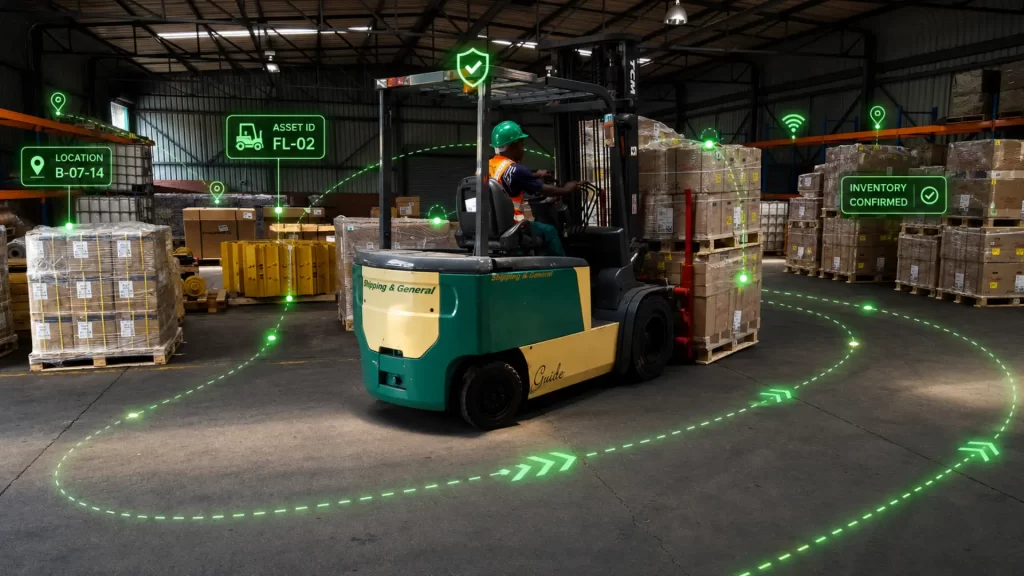
For many importers, one of the most valuable benefits of bonded warehousing is its ability to support better financial management. This often leads businesses to ask: How does bonded warehousing improve cash flow?
Cash flow remains one of the most important factors influencing business performance. Even profitable companies can experience operational challenges if working capital is tied up unnecessarily.
Importers frequently need to bring large volumes of goods into South Africa to secure supply, meet customer demand or improve purchasing efficiency. However, releasing all imported cargo into the local market immediately is not always the most effective use of financial resources.
This is where bonded warehousing can provide significant advantages.
By allowing imported goods to remain under customs control before release, bonded warehousing gives businesses greater flexibility when managing inventory and planning cash flow.
According to the South African Revenue Service (SARS Customs), imported cargo remains subject to customs requirements until it is formally released. Bonded warehousing provides a structured solution for managing this process.
How Does Bonded Warehousing Improve Cash Flow?
Bonded warehousing improves cash flow by providing businesses with greater flexibility when managing imported inventory.
Rather than immediately releasing all goods into the local market, importers can position inventory within a bonded facility and release stock according to operational requirements.
This creates opportunities for better inventory planning, more efficient stock management and improved financial flexibility.
For businesses importing large quantities of goods, this can be a significant advantage.
Why Is Cash Flow Important For Importers?
Importers often face substantial upfront costs associated with international trade.
These costs may include:
- Product procurement
- International shipping
- Cargo handling
- Transportation
- Storage
- Supply chain administration
Managing these costs effectively is essential for maintaining healthy business operations.
When working capital becomes constrained, businesses may struggle to invest in growth, maintain inventory levels or respond to market opportunities.
This is why supply chain flexibility and inventory management play such an important role in financial performance.
Inventory Timing Can Affect Cash Flow
One of the biggest challenges importers face is aligning inventory availability with actual demand.
Businesses need sufficient stock to support sales and customer service, but excessive inventory can create financial pressure.
Bonded warehousing provides flexibility by allowing businesses to position imported inventory strategically while maintaining control over when goods are released into the supply chain.
This enables organisations to make more informed decisions about inventory deployment and stock management.
Rather than committing all inventory to immediate distribution, businesses can release goods progressively according to demand.
Reducing Financial Pressure Through Better Inventory Management
Inventory management is one of the most important factors influencing cash flow performance.
Holding too much inventory can create carrying costs and tie up resources that could be used elsewhere within the business.
Holding too little inventory can result in stock shortages and missed sales opportunities.
Bonded warehousing supports a balanced approach by providing flexibility and control over inventory release.
This can help businesses improve operational planning while maintaining product availability.
Need Transportation Support For Imported Cargo?
Shipping & General provides nationwide transportation solutions designed to support efficient cargo movement throughout South Africa.
Why Forecasting Becomes Easier
Businesses that use bonded warehousing often gain greater flexibility when forecasting demand.
Because inventory can be positioned strategically before final distribution decisions are made, businesses can respond more effectively to changing market conditions.
This reduces the risk of overcommitting inventory while improving responsiveness to customer requirements.
In dynamic markets, this flexibility can create meaningful financial and operational advantages.
How Warehousing Supports Supply Chain Stability
Professional warehousing solutions do more than provide storage space.
Warehousing supports inventory visibility, distribution planning and supply chain resilience.
Businesses that integrate warehousing into their broader logistics strategy are often better positioned to manage disruptions and maintain service levels.
When combined with bonded warehousing principles, these capabilities can contribute to stronger cash flow management and improved operational performance.
How Container Depot Services Support Cash Flow Management
Cash flow is influenced by more than inventory alone. Efficient cargo movement also plays an important role.
When containers remain in the supply chain longer than necessary, businesses may incur additional costs that place pressure on working capital.
Professional container depot services help businesses improve container turnaround times and manage cargo more efficiently.
Benefits can include:
- Reduced operational delays
- Improved cargo flow
- Enhanced inventory planning
- Lower storage-related expenses
- Greater supply chain visibility
For importers handling large cargo volumes, these efficiencies can contribute meaningfully to overall financial performance.
Why Supply Chain Visibility Supports Better Financial Decisions
Many businesses underestimate the relationship between supply chain visibility and cash flow management.
Without accurate visibility, organisations may struggle to make informed decisions regarding inventory levels, purchasing schedules and distribution planning.
Improved visibility allows businesses to:
- Plan inventory releases more effectively
- Reduce uncertainty
- Improve forecasting accuracy
- Support operational decision-making
- Reduce unnecessary inventory carrying costs
As supply chains become increasingly complex, visibility is becoming an essential component of effective financial management.
The Role Of Customs Licensed Facilities
Many importers benefit from using facilities that operate within customs-controlled environments.
A customs licensed container depot supports the handling and management of imported cargo while maintaining compliance with customs requirements.
The World Customs Organization continues to promote efficient customs procedures that facilitate trade while maintaining regulatory oversight.
For businesses managing international supply chains, customs licensed facilities provide additional flexibility and operational support.
This flexibility often complements broader inventory and cash flow management strategies.
Need Warehousing Or Container Depot Support?
Shipping & General offers warehousing and container depot services designed to support efficient inventory management and supply chain performance.
How Integrated Logistics Improves Cash Flow
Many businesses use separate providers for transportation, warehousing and cargo handling.
While this approach can work, it often introduces additional complexity and inefficiencies.
Integrated logistics solutions allow businesses to manage multiple supply chain functions through a single logistics partner.
This can help improve:
- Operational visibility
- Communication
- Inventory planning
- Transportation efficiency
- Supply chain control
The International Chamber of Commerce Incoterms® framework highlights the importance of clearly defined responsibilities throughout the movement of goods.
Integrated logistics supports this objective while helping businesses improve overall operational efficiency.
How Shipping & General Supports Importers
Shipping & General provides integrated logistics solutions designed to help businesses manage cargo efficiently while improving supply chain performance.
Rather than focusing solely on transportation, the company offers a combination of logistics services that support inventory management and operational flexibility.
Key services include:
- Nationwide transportation services
- Warehousing solutions
- Container depot services
- Customs licensed container depot facilities
- SOLAS weighing services
- Cargo storage and handling
- Distribution support
By combining these services through a single logistics partner, businesses can often improve visibility, reduce complexity and strengthen supply chain performance.
Why Long-Term Cash Flow Planning Matters
Many businesses focus on short-term logistics decisions without considering the long-term impact on financial performance.
Effective cash flow management requires strategic thinking about inventory, transportation, warehousing and supply chain planning.
Bonded warehousing supports this strategy by providing flexibility and control over inventory deployment.
For businesses operating in competitive markets, this flexibility can create a meaningful financial advantage.
Final Answer: How Does Bonded Warehousing Improve Cash Flow?
If you are asking, “How does bonded warehousing improve cash flow?”, the answer lies in flexibility and control.
Bonded warehousing allows businesses to position imported inventory strategically while managing the timing of inventory release and broader supply chain decisions.
This flexibility supports better inventory management, improved forecasting and stronger financial planning.
When combined with transportation, warehousing, container depot services and customs licensed logistics infrastructure, bonded warehousing becomes a valuable tool for improving operational efficiency and supporting long-term business performance.
For South African importers seeking integrated logistics solutions, Shipping & General provides transportation, warehousing and cargo management services designed to support efficient supply chains and sustainable growth.
Partner With South Africa’s Logistics Specialists
Looking for warehousing, transportation or customs licensed logistics support? Shipping & General offers integrated logistics solutions tailored to South African importers and supply chains.