






Businesses involved in importing, exporting and distributing international cargo frequently ask: How do I legally transport bonded cargo?
The movement of bonded cargo is a highly regulated process within South Africa’s customs environment. Unlike ordinary freight, bonded cargo remains under customs control and must be transported according to specific legal and operational requirements.
Consequently, failure to comply with these requirements can result in delays, penalties, cargo holds and disruptions throughout the supply chain.
For importers and logistics professionals, understanding how bonded cargo moves legally is essential to maintaining efficient operations while ensuring full compliance with customs regulations.
According to the South African Revenue Service (SARS Customs), cargo that remains under customs control must be handled and transported in accordance with approved customs procedures.
Therefore, bonded transport services and authorised operators play an important role in maintaining compliance throughout the logistics process.
How Do I Legally Transport Bonded Cargo?
Importantly, bonded cargo can only be transported legally through approved customs-controlled processes using authorised operators and compliant logistics procedures.
Furthermore, the cargo must remain under customs supervision throughout the movement and be transferred between approved customs-controlled locations.
In most cases, these movements are facilitated by a Remover of Goods in Bond (RIB), an authorised operator responsible for transporting bonded cargo while maintaining customs compliance.
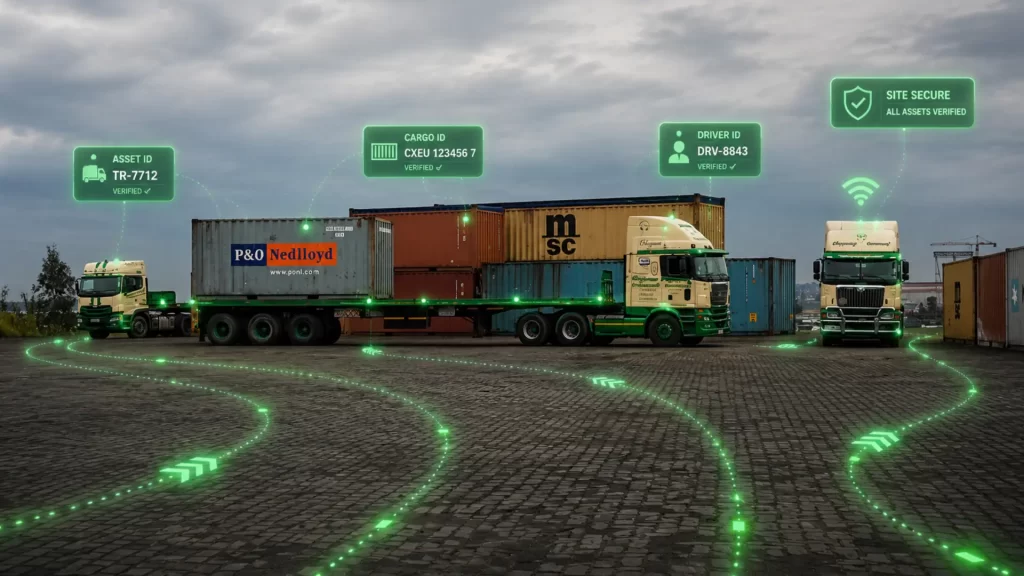
Ultimately, the objective is to ensure cargo remains secure, traceable and compliant throughout the journey.
What Is Bonded Cargo?
Bonded cargo refers to goods that remain under customs control and have not yet been fully released into the local market.
For example, bonded cargo may include:
- Imported goods awaiting customs release
- Cargo stored in bonded warehouses
- Goods moving between customs-controlled facilities
- Cargo destined for export
- Goods undergoing customs-related processing
As a result, additional legal requirements apply to the transportation of these goods because they remain under customs supervision.
Why Special Rules Apply To Bonded Cargo
Unlike standard freight, the movement of bonded cargo requires customs authorities to maintain control over the goods until their customs status has been finalised.
These controls help ensure:
- Regulatory compliance
- Cargo security
- Supply chain integrity
- Accurate customs reporting
- Proper cargo traceability
Without these controls, customs authorities would not be able to effectively manage international cargo movements.
Therefore, bonded cargo transportation requires specialised procedures and authorised operators.
The Role Of A Remover Of Goods In Bond
A Remover of Goods in Bond is responsible for transporting bonded cargo between customs-controlled locations while maintaining compliance with customs regulations.
Consequently, these operators play a critical role in facilitating legitimate international trade.
Their responsibilities include:
- Secure cargo transportation
- Maintaining customs compliance
- Supporting cargo traceability
- Managing bonded cargo movements
- Ensuring operational integrity
Without authorised bonded transport operators, many international cargo movements would not be possible.
Need Transportation Support For Bonded Cargo?
Shipping & General provides nationwide transportation solutions designed to support efficient cargo movement throughout South Africa.
Where Can Bonded Cargo Be Transported?
Importantly, bonded cargo may only move between approved customs-controlled locations.
Examples include:
- Ports and terminals
- Bonded warehouses
- Customs licensed depots
- Approved logistics facilities
- Export processing locations
These controlled movements ensure cargo remains within the customs framework until its final customs status has been determined.
Why Documentation Matters
In addition, accurate documentation is essential when transporting bonded cargo.
Documentation supports cargo visibility, customs compliance and operational accountability.
Consequently, incomplete or inaccurate documentation can result in delays, inspections and disruptions that impact the entire supply chain.
Therefore, businesses should ensure all bonded cargo movements are properly documented and managed by experienced logistics professionals.
How Customs Licensed Facilities Support Bonded Cargo Movements
Furthermore, customs licensed facilities are a critical component of bonded cargo logistics.
These facilities provide approved locations where bonded goods can be received, stored, processed and transferred while remaining under customs control.
A customs licensed container depot provides businesses with the infrastructure required to manage imported cargo efficiently while maintaining compliance with customs regulations.
For importers and exporters, these facilities create flexibility and operational control while supporting legal cargo movement throughout the supply chain.
As a result, businesses benefit from improved compliance, visibility and operational efficiency.
Without customs licensed facilities, many bonded cargo movements would be significantly more complex and difficult to manage.
How Bonded Warehousing Supports Bonded Cargo Transportation
Similarly, bonded transportation and bonded warehousing often work together as part of an integrated logistics strategy.
Professional bonded warehousing allows imported goods to remain under customs control while businesses determine how inventory should be managed and distributed.
Thereafter, goods may be moved between facilities using approved bonded transport procedures.
This combination of transportation and warehousing provides businesses with greater flexibility when managing:
- Inventory allocation
- Distribution planning
- Supply chain visibility
- Operational efficiency
- Cargo security
For businesses managing complex import operations, these capabilities can provide significant advantages.
Final Answer: How Do I Legally Transport Bonded Cargo?
To transport bonded cargo legally in South Africa, the goods must stay under customs control from the moment they arrive until their customs status is finalised.
In practice, that means moving the cargo only between customs-controlled locations, such as the port, a customs licensed container depot or a bonded warehouse, using a licensed Remover of Goods in Bond, and making sure every movement is supported by accurate customs documentation.
Working with an experienced logistics partner that combines bonded transport, a customs licensed container depot and bonded warehousing reduces the risk of delays, inspections and penalties.
Frequently Asked Questions About Bonded Cargo
What is bonded cargo?
Bonded cargo is goods that remain under customs control and have not yet been fully released into the local market, such as imported goods awaiting customs release, cargo stored in a bonded warehouse or goods moving between customs-controlled facilities.
What are the requirements for bonded container transport?
Bonded containers may only move between customs-controlled locations, such as the port, a customs licensed container depot or a bonded warehouse. The movement must be carried out by a licensed Remover of Goods in Bond and supported by accurate customs documentation for the consignment.
What is an RIB in logistics?
RIB stands for Remover of Goods in Bond: an operator licensed to transport goods that are still under customs control between customs-controlled locations while keeping the movement compliant with customs regulations. Read more in our guide: What is a Remover of Goods in Bond?
Why does documentation matter when moving bonded cargo?
Accurate documentation supports customs compliance, cargo visibility and accountability. Incomplete or inaccurate documents can lead to delays, inspections and disruptions across the supply chain.
Need to Move Bonded Cargo?
Shipping & General moves, stores and handles bonded cargo from its customs licensed facility in Germiston. Tell us about your shipment and our team will come back to you with a quote.