






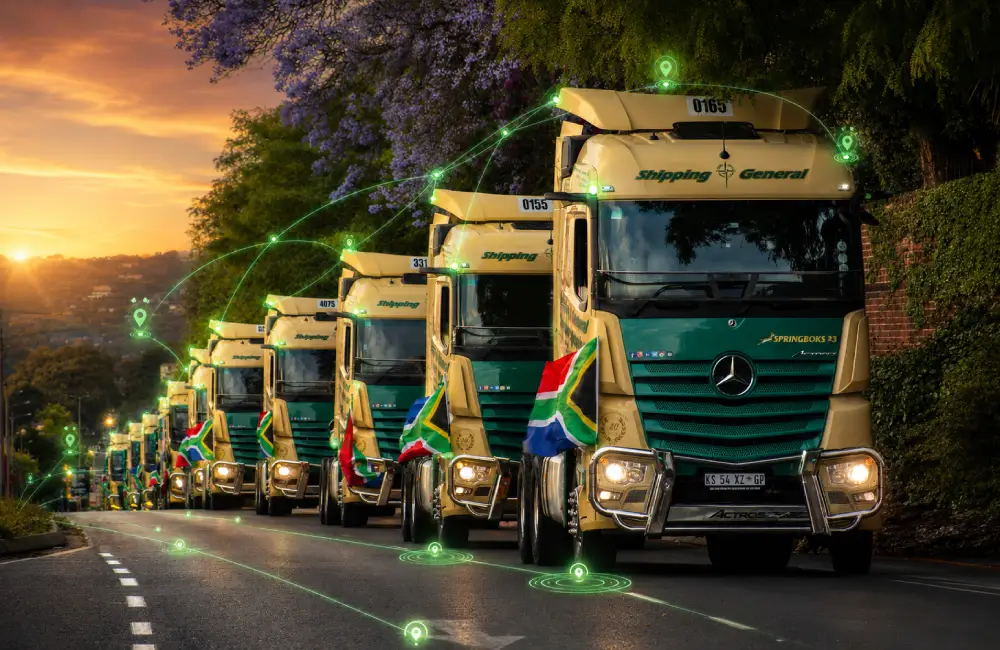
Global trade has entered a new era of uncertainty. From geopolitical tensions and shipping route disruptions to port congestion and rising transportation costs, businesses around the world are facing unprecedented challenges.
For South African companies, these disruptions highlight the growing importance of reliable transportation and logistics solutions. Whether moving containers, project cargo, specialised equipment or time-sensitive freight, businesses need logistics partners that can deliver consistency, visibility and operational expertise.
As supply chains become more complex, transportation is no longer simply about moving cargo from one location to another.
It has become a critical component of business continuity, customer satisfaction and profitability.
This is where experienced transportation providers such as Shipping & General play a vital role. By providing specialised transportation solutions, container logistics, side loader transport and project cargo expertise, businesses can navigate uncertainty while maintaining operational efficiency.
What Is South African Transportation and Logistics?
South African transportation and logistics refers to the systems, infrastructure, services and processes used to move goods efficiently throughout South Africa and across international supply chains.
These services typically include:
- Container transportation
- Side loader transport
- Freight movement
- Project cargo logistics
- Cargo handling
- Transportation planning
- Supply chain coordination
- Specialised logistics services
Effective transportation and logistics solutions ensure that goods reach their destination safely, efficiently and on schedule, even during periods of global disruption.
Quick Answer
South African transportation and logistics involves the planning, movement and management of cargo across local and international supply chains, helping businesses maintain operational continuity and meet customer demand.
Industry Context and Current News Relevance
Global trade continues to experience significant disruption in 2026.
Several factors are contributing to increased uncertainty:
- Shipping route diversions
- Geopolitical instability
- Rising fuel costs
- Port congestion
- Capacity constraints
- Changing trade regulations
- Increased demand for supply chain visibility
These challenges have created ripple effects throughout global supply chains.
For South African businesses, transportation delays can lead to:
- Production interruptions
- Inventory shortages
- Increased operating costs
- Missed project deadlines
- Reduced customer satisfaction
As a result, supply chain resilience has become a boardroom priority rather than a logistics department concern.
Businesses are increasingly looking for transportation partners that can provide flexibility, specialised equipment and proven logistics expertise.
Key Challenges Facing Businesses Today
1. Supply Chain Uncertainty
Many organisations continue to experience unpredictable delivery schedules. Unexpected delays can affect production planning, customer commitments and inventory management.
2. Rising Transportation Costs
Fuel prices, operational costs and supply chain inefficiencies continue to place pressure on margins. Businesses must find ways to optimise transportation without compromising service quality.
3. Container Availability and Movement
Containers remain the backbone of global trade. However, managing container movement efficiently requires specialist equipment and expertise.
4. Project Cargo Complexity
Large-scale projects often require the transportation of oversized or specialised equipment. Without careful planning, these projects can face significant delays and cost overruns.
5. Visibility and Control
Modern businesses demand greater visibility throughout their supply chains. Decision-makers need accurate information to respond quickly to changing conditions.
Expert Solutions and Best Practices
Building a resilient supply chain requires more than simply selecting a transportation provider.
It requires strategic planning and operational excellence.
Key best practices include:
- Partner with experienced logistics providers: Experienced transportation companies understand the complexities of modern supply chains. They can help businesses anticipate challenges and develop effective solutions.
- Use specialised transportation solutions: Not all cargo is the same. Specialised transportation services ensure that containers, project cargo and oversized loads are handled correctly.
- Improve supply chain visibility: Visibility allows businesses to identify risks early and make informed decisions. This improves responsiveness and reduces disruption.
- Develop contingency plans: Supply chain resilience depends on preparation. Businesses should identify alternative transportation options and response strategies before disruptions occur.
- Focus on operational efficiency: Efficient transportation reduces costs while improving service levels. This creates a competitive advantage in challenging market conditions.
Benefits of Choosing Professional Transportation and Logistics Solutions
Businesses that invest in professional transportation services gain significant advantages.
These include:
- Improved supply chain reliability
- Reduced operational risk
- Better cargo visibility
- Enhanced customer satisfaction
- Greater transportation flexibility
- Improved project execution
- Increased business resilience
Professional transportation solutions allow organisations to focus on growth while logistics experts manage cargo movement and operational complexity.