






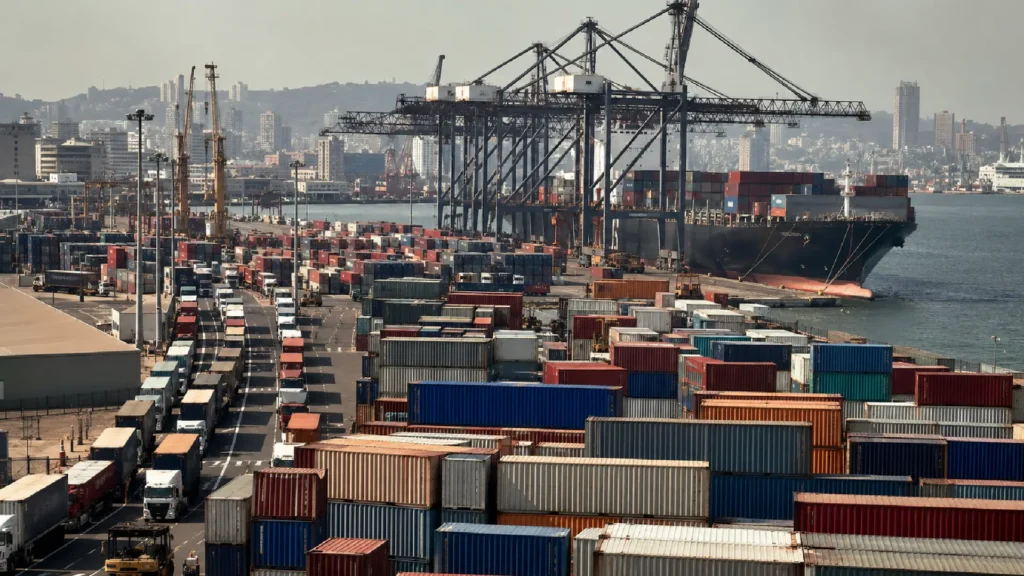
Durban Port Congestion can turn an otherwise well-planned import shipment into a costly supply-chain problem. When vessels wait longer to berth, containers remain inside terminals, truck bookings become difficult to secure and cargo takes longer to reach warehouses and customers.
For South African importers, the consequences extend beyond a delayed delivery. Congestion can affect inventory availability, transport planning, warehouse schedules, customer commitments and working capital. Depending on the circumstances and contractual arrangements, businesses may also face exposure to storage, demurrage, detention and other logistics costs.
The pressure experienced at Durban during August 2026 provides an important reminder: importers cannot control every port disruption, but they can control how well they prepare their supply chains to respond.
Quick answer: Importers can reduce the impact of Durban Port Congestion by monitoring vessel and terminal developments, preparing documentation early, coordinating transport before containers become available, understanding free-time limits, planning alternative storage or depot capacity and maintaining enough flexibility to react when schedules change.
What Is Causing Durban Port Congestion?
Several factors can create Durban Port Congestion, including vessel bunching, high yard occupancy, terminal-system interruptions, equipment constraints, truck-booking pressure and slow landside evacuation.
A container terminal operates as an interconnected system involving vessels, berths, cranes, handling equipment, container stacks, terminal software, trucks, trains, depots, shipping lines and thousands of individual cargo movements.
When one part of that system slows down, pressure can spread quickly through the rest of the supply chain.
During August 2026, Durban Gateway Terminal transitioned to its independent NAVIS N4 terminal operating system. The Southern African Association of Freight Forwarders advised industry participants ahead of the cutover that terminal operations would pause during the migration and that customers should allow additional flexibility while operations stabilised.
Durban Port Congestion and Vessel Delays
When a vessel cannot berth according to schedule, every container aboard it faces a potential delay before terminal discharge even starts.
The delay can then affect later vessels. They may arrive while earlier ships still wait or work alongside, making published schedules less predictable.
For an importer, the key lesson is simple: do not treat a vessel’s estimated time of arrival as the same thing as the date on which the container will become available for collection.
High Yard Occupancy and Container Flow
Containers discharged from vessels require yard space. When importers and transporters cannot evacuate boxes quickly enough, those containers occupy valuable terminal capacity.
As stack occupancy rises, terminal teams must manage more complicated container movements. They may need to reposition boxes to access others, which can increase handling requirements and reduce operational flexibility.
Truck Booking and Landside Constraints
Getting a vessel alongside and discharging a container solves only part of the problem. The container must still leave the terminal.
When transporters struggle to secure suitable appointments, or congestion increases truck turnaround times, import containers remain inside the terminal for longer. This adds further pressure to yard operations.
This relationship between terminal activity and road freight explains why businesses should not view Durban Port Congestion only as a waterside problem.
Equipment and Operational Constraints
Container terminals rely on specialised equipment to move boxes between vessels, stacks, trucks and trains. Any reduction in equipment availability can affect productivity across several parts of the operation.
Even after a system problem stabilises, accumulated cargo volumes and equipment constraints can continue to affect throughput. Recovery can therefore take longer than the original interruption itself.
Why Durban Port Congestion Matters to Importers
The most visible symptom of congestion is delay, but the commercial consequences can extend much further.
An imported container may hold customer orders, production inputs, seasonal stock or high-value inventory. Every extra day in the supply chain can affect another area of the business.
Longer and Less Predictable Lead Times
Import planning usually works backwards from expected arrival dates. Businesses schedule warehouse labour, transport, production, distribution and customer deliveries around those dates.
Durban Port Congestion makes that planning more difficult because businesses need to account for variability, not only average transit times.
Inventory Shortages
For companies that hold lean inventory, a port delay can quickly become a stock problem.
Retailers may run short of fast-moving products. Manufacturers may wait for raw materials or components. Distributors may struggle to fulfil customer orders on schedule.
Businesses should therefore consider more than direct freight charges when they calculate the cost of congestion. Lost sales, production interruptions and urgent alternative sourcing can prove far more expensive.
Working-Capital Pressure
Imported stock often represents cash that has already left the business but cannot yet generate revenue.
When transit and clearance cycles lengthen, companies may carry more inventory in the pipeline for longer. This can increase working-capital requirements, particularly for high-value goods or large seasonal orders.
Customer Delivery Commitments
Customers waiting for goods may have little interest in whether a delay occurred at sea, at the terminal or during landside evacuation. They simply want to know when the shipment will arrive.
Importers therefore need enough visibility to identify potential delays early and communicate realistic revised delivery dates before they miss commitments.
Durban Port Congestion and the Risk of Extra Charges
One of the biggest financial concerns during congestion involves additional charges that may accumulate while cargo waits.
Shipping lines, terminals, container types and commercial agreements can apply different free periods and charging structures. Importers should therefore confirm the conditions for each shipment rather than rely on assumptions from previous consignments.
What Is Demurrage?
In container shipping, demurrage generally refers to charges that may apply when a shipping line’s container remains inside the terminal beyond the agreed free-time period.
Importers should know when their free time starts, how long it lasts and what happens when it expires.
What Is Detention?
Detention generally relates to the period during which a shipping line’s container remains outside the terminal beyond the applicable free period.
This makes unloading and empty-container return planning important. Moving the box out of the port solves one problem, but keeping it at a warehouse or customer site for too long can create another cost.
What About Terminal Storage?
Terminal storage differs from shipping-line equipment charges. A terminal may charge storage when cargo remains within its facility beyond the applicable free period or tariff conditions.
Important: Demurrage, detention and terminal storage are not interchangeable terms. Importers should confirm the relevant free periods, rules and tariffs for every shipment as early as possible.
How Importers Can Plan for Durban Port Congestion
A common mistake during Durban Port Congestion is to wait until the terminal releases the container before arranging the next step.
By then, valuable time may already have disappeared.
The importer, clearing agent, transporter and receiving facility should ideally have visibility of the shipment before vessel arrival. This allows everyone to prepare rather than react.
Check Documentation Before Arrival
Importers should review commercial documents, bills of lading, customs requirements, permits and other shipment information as early as possible.
The objective is simple: when the terminal can release the cargo, the importer should not become the reason it cannot move.
Prepare the Transport Plan Early
Logistics teams should plan transport capacity before the terminal releases the container, particularly when congestion limits appointment availability.
The transporter needs enough information to plan equipment, drivers, appointments and delivery destinations. Last-minute requests become harder to accommodate when large numbers of importers try to evacuate delayed cargo at the same time.
Confirm Where the Cargo Will Go
Port evacuation only solves the immediate problem if a suitable facility can receive the container or cargo.
Importers should confirm warehouse receiving hours, labour availability, unloading capacity, equipment requirements and site access before the vehicle leaves the port.
Where direct delivery does not make sense, a suitable depot or warehouse can create additional flexibility.
How Integrated Logistics Can Reduce Durban Port Congestion Risk
Congestion becomes harder to manage when every part of the cargo journey operates in isolation.
A transporter may wait for instructions from a clearing agent. The warehouse may not know that the container has become available. The importer may assume someone has booked the truck. Meanwhile, free time continues to run.
Integrated logistics planning improves coordination across transport, depot operations, cargo handling, warehousing and final delivery.
Transportation
Reliable container transport plays a central role in import evacuation. Transport planning should account for terminal conditions, appointment availability, traffic, delivery windows and empty-container return requirements.
Shipping & General provides nationwide transportation as part of its broader landside logistics offering. Businesses can learn more about the company’s integrated services on the Shipping & General website.
Container Depot Support
A container depot can provide useful flexibility between the port and final delivery. Depending on customs status and cargo requirements, depot services may include handling, storage, unpacking, examination support and container positioning.
Shipping & General’s warehousing and container depot services include customs-licensed depot facilities, bonded and duty-free warehousing, packing and unpacking, customs examinations and container handling.
Importers can also read the company’s guide explaining the difference between a container depot and a warehouse.
Warehousing
Moving cargo away from the terminal does not always mean it must travel directly to the final customer. Warehousing can create a buffer between unpredictable port movements and planned distribution schedules.
Once cargo reaches a suitable warehouse, the business can plan downstream deliveries around customer requirements rather than terminal availability alone.
Planning principle: During Durban Port Congestion, the objective is not simply to collect a container quickly. The objective is to coordinate the complete movement so cargo can leave the terminal, reach the correct facility, move through handling or storage efficiently and continue towards its final destination.
The First 24 Hours of Durban Port Congestion
When an importer learns that congestion may affect a shipment, the first response should focus on establishing facts rather than immediately changing every downstream plan.
Start with these questions:
- Has the vessel arrived at Durban?
- Is it waiting or already alongside?
- Has the terminal discharged the container?
- Can the importer collect it?
- Have customs and shipping-line releases been completed?
- What free time applies?
- Has the transporter planned suitable capacity?
- Can the receiving facility accept the cargo?
- Does the business need alternative storage?
- Should customers receive a revised delivery estimate?
These answers help the logistics team distinguish between a vessel delay, terminal delay, customs issue, transport constraint and receiving problem. Each requires a different response.
The Next 48 Hours: Manage Durban Port Congestion Proactively
Once the importer understands the immediate position, coordination becomes the priority.
Confirm the Container’s Actual Status
A vessel arriving, berthing, discharging and releasing a container represent separate milestones. Importers should avoid making final delivery commitments based on only one of them.
Confirm Customs and Release Requirements
A physically available container may still require customs clearance, shipping-line release or additional documentation before the truck can collect it.
Importers should resolve these requirements as early as possible so they do not waste scarce transport capacity.
Keep the Transporter Updated
The transporter should know when vessel schedules move, when discharge occurs, when release becomes likely and whether the receiving destination remains ready.
This visibility helps transport teams allocate vehicles and drivers more effectively.
Reducing Demurrage Risk During Durban Port Congestion
Know the Free-Time Rules
Importers should confirm the shipping line’s free-time rules, important dates and empty-return requirements before the vessel arrives.
Record Important Cargo Milestones
Keep an accurate record of vessel movements, container availability, release dates, booking attempts, collection times, delivery dates and empty-container returns.
These records support day-to-day logistics management and provide useful information if the business later needs to investigate a charge.
Move the Container When Conditions Allow
When the terminal releases the container, the transporter has a suitable appointment and the receiving facility is ready, unnecessary postponement can consume valuable free time.
Plan the Empty-Container Return
The process does not end when the loaded container reaches the customer. The importer should factor unloading time, depot instructions, operating hours and the applicable free period into the original plan.
Cost-control principle: Track the container from vessel arrival through terminal release, collection, unpacking and empty return. Early visibility gives the importer more options before extra charges accumulate.
Warehousing During Durban Port Congestion
Warehousing can provide an important buffer between an unpredictable port environment and a business that needs predictable inventory availability.
Instead of synchronising every port collection directly with customer delivery, suitable cargo can move into storage and then enter distribution according to actual demand.
Create Storage Capacity Before Cargo Arrives
Importers expecting significant inbound volumes should confirm storage capacity before containers start arriving.
This becomes especially important when several delayed containers become available over a short period.
Use Storage to Protect Distribution Schedules
Once suitable cargo reaches a warehouse, downstream deliveries can follow customer demand rather than unpredictable terminal release times.
Shipping & General operates warehousing and depot facilities that support customs-controlled cargo, packing and unpacking, container storage and distribution requirements. Read more about its warehousing capabilities.
Bonded Warehousing During Durban Port Congestion
Some imported goods require additional flexibility because they remain under customs control.
Customs authorities control bonded cargo, so importers must follow the correct procedures and use authorised facilities.
Why Bonded Storage Can Help
For suitable shipments, bonded storage can provide flexibility between the physical movement of goods and their eventual release into the South African market, subject to the applicable customs rules.
What Is Removal in Bond?
Removal in Bond, or RIB, refers to the controlled movement of uncleared goods between approved customs-controlled locations under the relevant customs procedures.
Shipping & General holds approval as a remover of goods in bond and provides customs-licensed depot and bonded warehousing services. Businesses can review these services on the Shipping & General warehousing page.
The 72-Hour Durban Port Congestion Plan
If disruption continues, importers should widen their focus from managing one shipment to protecting the wider business.
Prioritise Critical Cargo
Not every container carries the same commercial urgency. Production-critical components, high-demand stock, customer-specific orders and time-sensitive cargo may require greater attention.
Importers can rank delayed containers according to commercial importance and allocate transport capacity to the most critical cargo first.
Review Available Inventory
The business should determine how much usable stock remains and how long it can support expected demand.
Sales, operations and procurement teams can then make decisions using realistic stock-cover information.
Identify Production-Critical Imports
Manufacturers should identify components or raw materials that could interrupt production if they arrive late. Procurement teams can then investigate substitute stock, local supply or revised production sequencing before the situation becomes urgent.
Update Customers Early
Where a delivery date is likely to change, communicate a revised estimate as early as reasonably possible. Early communication gives customers time to adjust their own plans.
Building Resilience Against Future Durban Port Delays
A port congestion strategy should not exist only while the port faces pressure. Businesses should strengthen their import planning before the next disruption occurs.
Review Safety Stock
Companies that operate with minimal inventory should consider whether their stock model reflects the variability of international shipping and South African port operations.
Businesses should identify critical products where running out of stock would cost more than carrying a sensible inventory buffer.
Avoid Best-Case Transit Planning
A shipment may arrive within a certain number of days under ideal conditions, but procurement teams should not assume every shipment will follow the fastest possible journey.
Allow realistic variability for vessel schedules, terminal operations, customs processes, transport and final delivery.
Create Alternative Receiving Options
A resilient supply chain has more than one workable option. Alternative depot capacity, warehousing, flexible receiving hours and overflow arrangements can help businesses respond faster when cargo arrives outside the original plan.
Durban Port Congestion Checklist for Importers
Before Vessel Arrival
- Confirm the latest vessel schedule.
- Review shipment documentation.
- Prepare customs and cargo-release requirements.
- Confirm applicable free time.
- Give the transporter expected container details.
- Confirm the intended delivery destination.
- Check warehouse capacity and receiving hours.
- Identify alternative depot or storage options.
After Vessel Arrival
- Confirm whether the vessel is waiting or alongside.
- Monitor discharge progress.
- Confirm container availability.
- Verify cargo releases.
- Coordinate truck appointments.
- Update the receiving facility.
- Monitor free-time exposure.
- Update customers when delivery dates move.
After Container Collection
- Track delivery to the destination.
- Prepare unloading resources.
- Record delivery dates and times.
- Confirm empty-return instructions.
- Return the empty container within the applicable period.
- Retain relevant logistics records.
- Review additional charges promptly.
Why Visibility Matters During Durban Port Congestion
Supply-chain visibility cannot remove congestion, but it gives decision-makers more time to respond.
Knowing three days in advance that cargo will arrive late creates more options than discovering the problem after the business misses a customer order.
Logistics teams should track the full cargo journey, from vessel arrival and terminal release to transport, unloading and empty-container return.
Importers should also monitor authoritative industry updates. SAAFF industry updates can provide useful information on freight and logistics developments that may affect cargo planning.
From Durban Port to Final Destination
Durban Port Congestion demonstrates why landside logistics matters. The port represents an important part of the journey, but it does not represent the final destination.
Once a container becomes available, the cargo still requires transport, handling, storage or unpacking and final distribution. Each handover creates another opportunity for efficiency or delay.
Shipping & General has operated in South African landside logistics since 1984 and provides transportation, warehousing, customs-licensed depot services and other integrated solutions. Learn more about Shipping & General.
A More Resilient Approach to Durban Port Congestion
No importer can guarantee that vessels will arrive on schedule, terminals will always operate at optimal capacity or truck appointments will always remain available.
Businesses can, however, remove avoidable delays from their own side of the supply chain.
Prepare documents early. Plan transport. Confirm warehouse capacity. Monitor free time. Identify alternative facilities. Prioritise critical cargo. Keep customers informed.
These measures will not eliminate Durban Port Congestion, but they can reduce the extent to which a port disruption becomes a business disruption.
Key takeaway: Supply-chain resilience starts before disruption occurs. Importers that understand their cargo status, free-time exposure, transport requirements, storage options and inventory priorities can respond more effectively when Durban Port Congestion changes normal schedules.
Frequently Asked Questions About Durban Port Congestion
What causes Durban Port Congestion?
Vessel bunching, high yard occupancy, terminal-system disruptions, equipment constraints, truck-booking pressure and slow container evacuation can all cause Durban Port Congestion.
How does Durban Port Congestion affect importers?
Durban Port Congestion can increase lead times, delay container availability, disrupt transport planning, affect customer deliveries and expose businesses to additional logistics costs.
How can importers reduce delays during Durban Port Congestion?
Importers can prepare documents early, monitor vessel and terminal developments, plan transport before release, confirm warehouse capacity, monitor free-time limits and identify alternative storage or depot options.
What is demurrage?
Demurrage generally refers to charges that may apply when a shipping line’s container remains inside a terminal beyond the applicable free period.
What is detention?
Detention generally relates to keeping a shipping line’s container outside the terminal beyond the agreed free period.
Are demurrage and terminal storage the same?
No. Demurrage generally relates to shipping-line equipment, while terminal storage relates to cargo or containers remaining at a terminal beyond the applicable storage conditions.
Can warehousing help during Durban Port Congestion?
Yes. Warehousing can create a buffer between unpredictable port collection times and scheduled customer deliveries, allowing businesses to manage downstream distribution more effectively.
What is bonded warehousing?
Bonded warehousing allows qualifying imported goods to remain under customs control in an authorised facility before final customs release or entry into the domestic market.
What does RIB mean?
RIB means Removal in Bond. It describes the controlled movement of uncleared goods between approved customs-controlled locations under the relevant customs procedures.
How can businesses prepare for future port congestion?
Businesses can review safety stock, use realistic lead times, identify alternative storage, plan transport earlier, understand free-time conditions and establish an escalation process for critical cargo.
Can Shipping & General help importers manage cargo?
Shipping & General provides transportation, warehousing, customs-licensed container depot services, bonded storage, cargo handling and other landside logistics solutions for importers and supply-chain businesses.
Keep Your Cargo Moving Beyond the Port
Shipping & General provides integrated landside logistics solutions that support cargo movement beyond South Africa’s ports. Transportation, warehousing, container handling and customs-related depot services can work together to create a more coordinated cargo journey.
If Durban Port Congestion is affecting your inbound cargo, speak to Shipping & General about suitable transport, handling, depot and storage options for your requirements.