






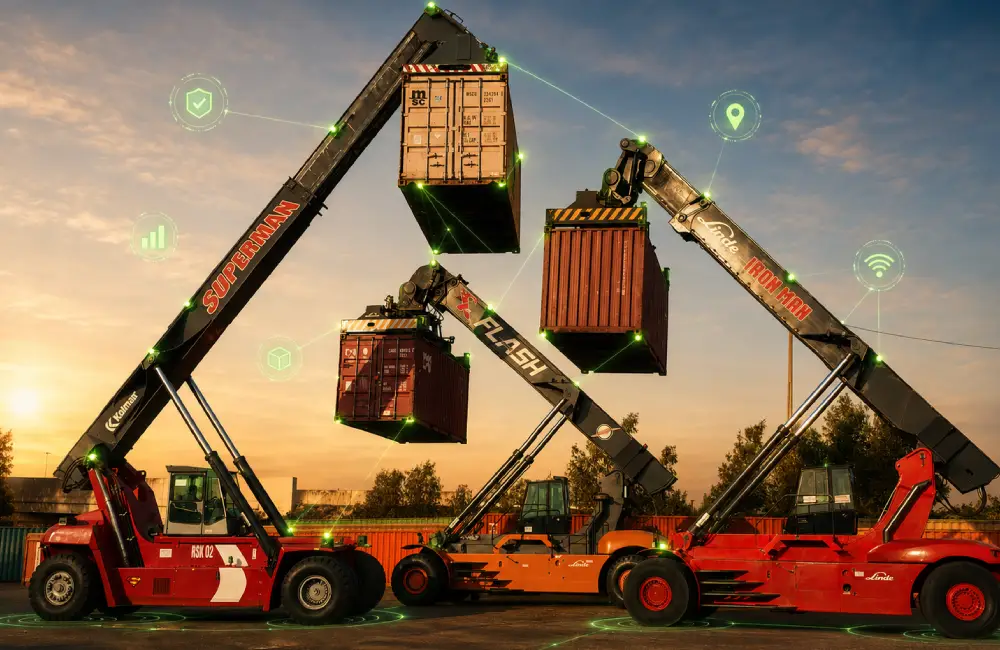
Global trade continues to face significant challenges. Shipping route disruptions, port congestion, changing trade patterns and growing compliance requirements are placing pressure on supply chains across the world.
For South African businesses, these challenges have reinforced the importance of having reliable logistics infrastructure and experienced supply chain partners.
While transportation often receives the most attention, another critical component of the logistics chain is rapidly becoming a strategic advantage: the customs licensed container depot.
As businesses seek greater flexibility, improved cargo visibility and stronger operational resilience, customs licensed container depots are playing an increasingly important role in supporting importers, exporters, freight forwarders and logistics operators.
What was once viewed as a storage solution has evolved into a critical supply chain asset that helps businesses manage risk, improve efficiency and maintain cargo flow during periods of uncertainty.
What Is a Customs Licensed Container Depot?
A customs licensed container depot is a secure facility authorised to receive, store, manage and handle containers under customs control.
These facilities support both import and export logistics by providing businesses with a controlled environment for container storage, cargo handling and operational support.
A customs licensed container depot typically offers:
- Container storage
- Empty container handling
- Cargo handling services
- Import container management
- Export container management
- Container inspections
- Logistics coordination
- Supply chain support services
In simple terms, a customs licensed container depot acts as a strategic logistics hub that supports the movement of cargo between ports, warehouses, transport providers and customers.
Why Supply Chain Resilience Has Become a Business Priority
Supply chain resilience has become one of the most discussed topics within global trade.
Recent disruptions have demonstrated how vulnerable supply chains can be when businesses lack flexibility and contingency planning.
Challenges affecting businesses include:
- Shipping delays
- Port congestion
- Transportation disruptions
- Container shortages
- Inventory fluctuations
- Regulatory changes
- Rising logistics costs
These issues affect profitability, customer service and operational performance.
As a result, businesses are increasingly investing in logistics infrastructure that provides greater control over cargo movement.
Customs licensed container depots are helping organisations achieve this goal.
By creating additional flexibility within the supply chain, businesses can respond more effectively to unexpected disruptions.
Need Greater Control Over Your Cargo?
Many businesses only realise the value of strategic container storage when disruptions occur. A customs licensed container depot provides flexibility, visibility and operational support that can help reduce delays and improve supply chain performance.
The Growing Impact of Port Congestion
Port congestion remains one of the most significant challenges facing global supply chains.
When containers remain at ports for extended periods, businesses may experience:
- Increased storage costs
- Delivery delays
- Inventory shortages
- Operational bottlenecks
- Reduced customer satisfaction
Container depots provide an effective solution by helping move containers away from congested port environments and into controlled logistics facilities.
This creates additional capacity while improving cargo flow throughout the supply chain.
Businesses gain more flexibility when managing imports and exports, reducing the operational pressure associated with port delays.
Key Challenges Facing Importers and Exporters
Limited Container Storage Options
Many businesses struggle to secure suitable storage facilities during periods of high demand.
Insufficient storage capacity can create delays and increase logistics costs.
Rising Supply Chain Complexity
Modern supply chains involve multiple stakeholders, transportation providers and regulatory requirements.
This complexity increases the need for experienced logistics partners.
Cargo Visibility Challenges
Without proper oversight, businesses may struggle to track container movements and inventory availability.
Import and Export Delays
Unexpected disruptions can affect delivery schedules and customer commitments.
Cost Pressures
Increasing logistics expenses continue to place pressure on business margins.
Companies must identify opportunities to improve efficiency while maintaining service levels.
Expert Solutions and Best Practices
Building a resilient supply chain requires a strategic approach to cargo management.
Several best practices can help businesses improve logistics performance.
- Utilise strategic container storage: Container storage facilities provide flexibility and operational support during periods of disruption.
- Improve logistics planning: Effective planning reduces delays and supports more efficient cargo movement.
- Strengthen supply chain visibility: Greater visibility improves decision-making and allows businesses to respond faster to changing conditions.
- Partner with experienced logistics providers: Experienced logistics providers offer infrastructure, expertise and operational support that improve supply chain performance.
- Create contingency capacity: Businesses that have access to additional storage and logistics resources are often better prepared to manage uncertainty.
| Challenge | Business Impact | Solution |
|---|---|---|
| Port congestion | Delivery delays | Container depot storage |
| Container shortages | Operational disruption | Strategic logistics planning |
| Rising logistics costs | Reduced profitability | Efficient cargo management |
| Limited storage capacity | Supply chain bottlenecks | Container depot services |
| Import/export delays | Customer dissatisfaction | Logistics support solutions |
7 Key Benefits of Customs Licensed Container Depots
- Improved supply chain resilience
- Reduced port congestion exposure
- Greater cargo visibility
- Increased operational flexibility
- Better inventory management
- Enhanced logistics efficiency
- Reduced supply chain risk
These benefits make customs licensed container depots an essential component of modern logistics operations.
Industry Trends Shaping Container Depot Services
Several trends are driving increased demand for container depot services across South Africa.
These include:
- Growth in international trade
- Greater focus on supply chain resilience
- Increased demand for logistics visibility
- Rising warehousing requirements
- Expansion of integrated logistics solutions
- Growing need for flexible storage infrastructure
Businesses that adapt to these trends are better positioned to remain competitive within evolving markets.
A Strategic Logistics Partner Makes the Difference
Successful supply chain management depends on more than infrastructure alone. Businesses need logistics partners that understand the complexities of cargo movement, storage requirements and operational planning.
Why Shipping & General Is a Trusted Logistics Partner
Shipping & General has developed a reputation for providing practical logistics solutions that support efficient cargo movement and operational performance.
The company’s customs licensed container depot services form part of a broader logistics offering designed to help businesses navigate increasingly complex supply chains.
Its capabilities include:
- Customs Licensed Container Depot Services
- Container Storage
- Cargo Handling
- Warehousing Solutions
- Transportation Services
- Import Logistics Support
- Export Logistics Support
- Integrated Supply Chain Services
By combining infrastructure, industry expertise and customer-focused service, Shipping & General helps businesses improve supply chain performance while reducing operational risk.
Looking Ahead
The logistics industry will continue to evolve throughout 2026 and beyond.
Global trade uncertainty, changing transportation patterns and increasing customer expectations will place greater pressure on supply chains.
Businesses that invest in resilient logistics infrastructure today will be better positioned to manage future challenges.
Customs licensed container depots provide the flexibility, visibility and operational support needed to navigate an increasingly complex logistics environment.
As supply chain resilience becomes a competitive advantage, strategic container storage and cargo management will play an even more important role in business success.
Key Takeaways
- Customs licensed container depots support supply chain resilience.
- Strategic container storage reduces operational risk.
- Container depots help alleviate port congestion challenges.
- Greater cargo visibility improves decision-making.
- Logistics flexibility supports business continuity.
- Integrated logistics solutions improve supply chain performance.
Frequently Asked Questions Customs Licensed Container Depot
What is a customs licensed container depot?
A customs licensed container depot is a secure facility authorised to store and manage containers under customs control while supporting import and export logistics operations.
Why are container depots important for supply chain resilience?
Container depots provide additional storage capacity, flexibility and operational support that help businesses manage disruptions more effectively.
How do container depots help reduce port congestion?
They allow containers to be moved away from ports and into dedicated logistics facilities, improving cargo flow and reducing delays.
Who benefits from customs licensed container depot services?
Importers, exporters, freight forwarders, logistics providers, manufacturers and retailers all benefit from these services.
How do container depots improve logistics efficiency?
They improve cargo visibility, provide storage flexibility and support better supply chain planning.
Why choose Shipping & General?
Shipping & General combines container depot expertise, logistics infrastructure and integrated supply chain solutions to help businesses improve operational performance and resilience.
Need a Reliable Customs Licensed Container Depot Partner?
In today’s uncertain logistics environment, businesses need more than storage space. They need a strategic partner that understands supply chain complexity and can provide flexible logistics solutions.
Shipping & General offers professional customs licensed container depot services designed to support efficient cargo movement, improve visibility and strengthen supply chain resilience.
Our services include:
- Customs Licensed Container Depot Services
- Container Storage
- Cargo Handling
- Warehousing Solutions
- Transportation Services
- Import and Export Logistics Support
- Integrated Supply Chain Services
Contact Shipping & General today to discuss your logistics requirements and discover how our experienced team can help keep your cargo moving efficiently and securely.