






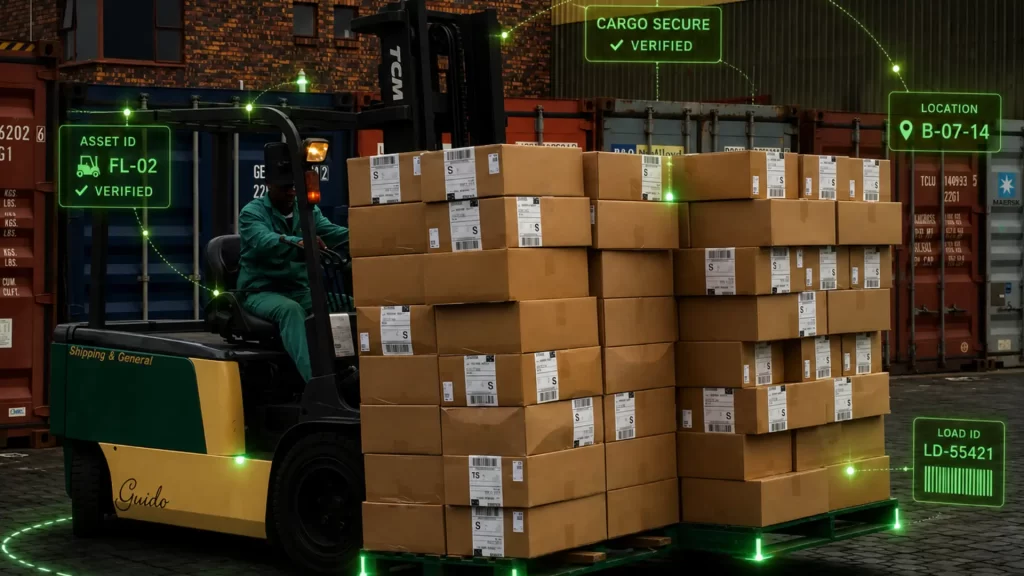
Businesses involved in importing, exporting and moving international cargo often encounter the term Remover of Goods in Bond. This leads many logistics managers and importers to ask: What is a Remover of Goods in Bond?
In South Africa, the movement of bonded cargo is governed by customs regulations designed to maintain control over imported goods while they move through the supply chain. A Remover of Goods in Bond (often referred to as an RIB) plays a critical role in this process.
Without authorised bonded transport operators, cargo could not legally move between customs-controlled facilities, ports, depots and warehouses while remaining under customs supervision.
Understanding the role of a Remover of Goods in Bond is important for importers, exporters, freight forwarders and supply chain professionals who need to move cargo efficiently while maintaining compliance.
According to the South African Revenue Service (SARS Customs), bonded cargo movements must comply with specific customs requirements to ensure cargo remains under appropriate control throughout the logistics process.
What Is A Remover Of Goods In Bond?
A Remover of Goods in Bond is an authorised operator that transports bonded cargo between customs-controlled locations while the goods remain under customs supervision.
These movements occur before the goods have been fully released into the local market and are subject to strict regulatory controls.
A Remover of Goods in Bond is responsible for ensuring that cargo is transported safely, securely and in accordance with customs requirements.
This process allows goods to move between approved facilities without losing their customs-controlled status.
Why Is A Remover Of Goods In Bond Important?
International supply chains often require cargo to move between ports, customs licensed depots, bonded warehouses and distribution facilities.
Without a legally authorised mechanism for transporting bonded cargo, importers would face significant operational challenges.
A Remover of Goods in Bond helps facilitate:
- Legal cargo movement
- Supply chain continuity
- Customs compliance
- Cargo visibility
- Operational flexibility
- Efficient logistics planning
This makes the role of the RIB an essential component of international trade and logistics operations.
What Is Bonded Cargo?
To understand the role of a Remover of Goods in Bond, it is important to understand bonded cargo.
Bonded cargo refers to goods that remain under customs control and have not yet been fully released into the local market.
These goods may be:
- Stored in bonded warehouses
- Located within customs licensed depots
- Moving between customs-controlled facilities
- Awaiting further customs processing
- Scheduled for export
Because the cargo remains under customs control, specific rules govern how it may be transported and handled.
When Is A Remover Of Goods In Bond Used?
Businesses typically use a Remover of Goods in Bond when cargo must move between approved customs-controlled facilities.
Examples include:
- Port to bonded warehouse movements
- Port to customs licensed depot transfers
- Transfers between customs-controlled facilities
- Cargo movements supporting export operations
- Supply chain repositioning of bonded goods
These movements allow businesses to maintain supply chain flexibility while remaining compliant with customs regulations.
Need Transportation Support For Bonded Cargo?
Shipping & General provides nationwide transportation solutions designed to support efficient cargo movement throughout South Africa.
How Bonded Cargo Moves Through The Supply Chain
The movement of bonded cargo is carefully controlled to ensure compliance with customs requirements.
Once cargo enters a customs-controlled process, it must remain traceable and properly managed until its final customs status is determined.
This is why authorised bonded transport operators play such an important role.
Their responsibility is not only to transport goods but also to maintain compliance and support the integrity of the customs process.
The Relationship Between Bonded Warehousing And RIB Operators
Bonded warehousing and bonded transport often work together.
Goods may be stored in a bonded facility and later moved by a Remover of Goods in Bond to another customs-controlled location.
This creates flexibility for businesses that need to manage inventory, distribution and supply chain planning efficiently.
Professional logistics providers help ensure these movements occur smoothly while maintaining compliance requirements.
How Customs Licensed Facilities Support Bonded Cargo Movements
Customs licensed facilities form a critical part of the bonded cargo ecosystem.
These facilities provide controlled environments where goods can be stored, transferred and managed while remaining under customs supervision.
A customs licensed container depot supports the secure handling of imported cargo and often serves as a destination or departure point for bonded cargo movements.
By combining customs compliance with operational efficiency, these facilities help businesses maintain supply chain continuity while meeting regulatory requirements.
For importers and exporters, access to customs licensed infrastructure can significantly improve logistics flexibility.
Why Compliance Matters When Moving Bonded Cargo
The movement of bonded cargo is not simply a transportation activity. It is a regulated process that requires strict adherence to customs requirements.
Failure to comply can result in:
- Customs delays
- Operational disruptions
- Additional inspections
- Financial penalties
- Supply chain interruptions
This is why businesses should ensure that bonded cargo movements are managed through experienced logistics providers that understand customs-controlled processes.
Maintaining compliance protects both the cargo and the integrity of the supply chain.
How Container Depot Services Support Bonded Cargo
Professional container depot services play an important role in supporting bonded cargo operations.
These facilities assist with:
- Container handling
- Cargo staging
- Operational planning
- Supply chain coordination
- Cargo visibility
When combined with bonded transportation services, container depots help businesses improve efficiency and maintain control over cargo movements.
For organisations handling significant cargo volumes, these services can become an essential part of their logistics strategy.
Need Warehousing Or Container Depot Support?
Shipping & General provides warehousing and container depot solutions designed to support efficient cargo handling and bonded logistics operations.
How International Trade Depends On Bonded Cargo Movements
Modern international trade depends on the efficient movement of goods between multiple locations and jurisdictions.
The ability to move bonded cargo legally and efficiently supports:
- Import operations
- Export activities
- Inventory management
- Distribution planning
- Supply chain optimisation
The World Customs Organization continues to emphasise the importance of secure and efficient cargo movement within international supply chains.
Removers of Goods in Bond contribute directly to this objective by facilitating compliant cargo transfers between customs-controlled facilities.
How Shipping & General Supports Bonded Logistics Operations
Shipping & General supports businesses involved in international trade through integrated logistics solutions designed to improve cargo movement and supply chain efficiency.
Rather than focusing solely on transportation, the company provides a range of services that support bonded cargo operations and broader logistics requirements.
Key services include:
- Nationwide transportation services
- Warehousing solutions
- Container depot services
- Customs licensed container depot facilities
- SOLAS weighing services
- Cargo storage and handling
- Distribution support
By integrating these services through a single logistics partner, businesses can often improve visibility, reduce complexity and strengthen overall supply chain performance.
The Importance Of Choosing The Right Logistics Partner
Not all logistics providers have experience working within customs-controlled environments.
Businesses involved in bonded cargo movements should evaluate providers based on:
- Industry experience
- Operational capabilities
- Compliance expertise
- Infrastructure availability
- Supply chain support services
The International Chamber of Commerce Incoterms® framework highlights the importance of clearly defined responsibilities throughout the movement of cargo.
Experienced logistics providers help businesses navigate these responsibilities while maintaining operational efficiency.
Final Answer: What Is A Remover Of Goods In Bond?
If you are asking, “What is a Remover of Goods in Bond?”, the answer is straightforward.
A Remover of Goods in Bond is an authorised operator that transports bonded cargo between customs-controlled locations while maintaining compliance with customs regulations.
These operators play an essential role in international trade by enabling goods to move legally and efficiently through the supply chain before final customs release.
For importers, exporters and logistics professionals, bonded transport services provide the flexibility required to manage cargo effectively while maintaining regulatory compliance.
When combined with transportation, warehousing, container depot services and customs licensed facilities, bonded logistics becomes an important component of an efficient supply chain strategy.
Shipping & General supports South African businesses through integrated logistics solutions designed to keep cargo moving efficiently throughout every stage of the supply chain.
Partner With South Africa’s Logistics Specialists
Need support with bonded cargo, transportation or customs licensed logistics operations? Shipping & General offers integrated logistics solutions tailored to South African businesses.