






South Africa’s agricultural and food export sectors continue to play a vital role in the national economy. From citrus and grapes to meat, dairy and frozen products, millions of tonnes of perishable cargo move through the country’s supply chain every year.
However, global trade is becoming increasingly demanding. Export markets are enforcing stricter quality standards. Consumers are demanding greater food safety assurance. Regulators expect complete compliance throughout the cold chain.
As a result, maintaining product integrity is no longer simply a logistics requirement.
It has become a competitive advantage.
For exporters, freight forwarders and logistics operators, the ability to protect temperature-sensitive cargo throughout the supply chain is essential. Any failure in the cold chain can result in product rejection, financial losses, reputational damage and disrupted customer relationships.
This growing focus on compliance and quality assurance is driving increased demand for PPECB-certified reefer facilities that provide inspection, maintenance, washing and pre-trip inspection services under one roof.
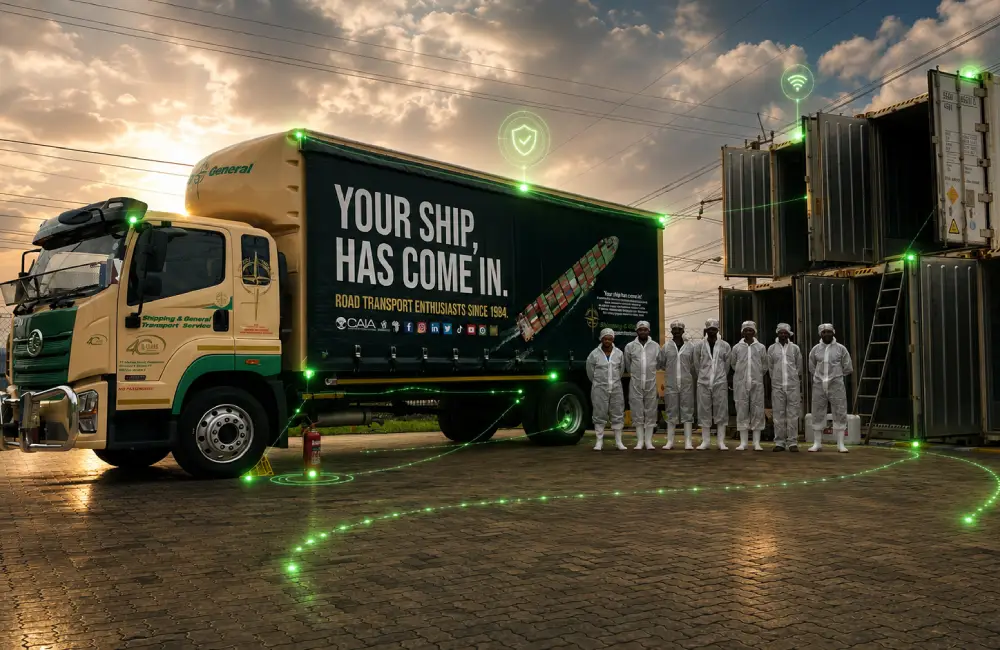
Shipping & General has responded to this need with the launch of its newly operational PPECB-certified reefer workshop, washing and PTI facility located within its container depot. The facility achieved a 100% food-grade audit pass and provides a complete cold-chain support solution for refrigerated containers.
What Is a PPECB-Certified Reefer Facility?
A PPECB-certified reefer facility is a specialised logistics and maintenance facility approved to handle refrigerated containers according to the standards established by the Perishable Products Export Control Board.
These facilities support exporters and logistics providers by ensuring refrigerated containers remain compliant, operational and capable of maintaining required temperatures throughout transportation.
Typical services include:
- Pre-Trip Inspections (PTI)
- Reefer container washing
- Reefer container repairs
- Refrigeration unit inspections
- Compliance verification
- Food-grade handling procedures
- Cold-chain documentation support
A PPECB-certified facility provides confidence that refrigerated containers meet the required standards before cargo enters the export supply chain.
Why Cold Chain Compliance Is Becoming More Important
Global food supply chains are under increasing scrutiny.
International buyers want assurance that products have been stored and transported under controlled conditions.
At the same time, regulators continue to strengthen requirements around food safety and cold-chain integrity.
Several factors are contributing to this trend:
- Rising food export volumes
- Stricter import regulations
- Greater focus on traceability
- Increased quality assurance requirements
- Higher customer expectations
These developments mean that exporters can no longer rely on fragmented service providers and disconnected logistics processes.
They require integrated solutions that reduce risk and improve accountability.
Shipping & General’s reefer facility was specifically developed to eliminate split operations by allowing refrigerated containers to be inspected, washed, repaired and cleared at a single depot location. This removes unnecessary handoffs and reduces gaps in cold-chain documentation.
Is Your Cold Chain Fully Protected?
Many exporters only discover cold-chain weaknesses after cargo has already been compromised. Working with a PPECB-certified facility helps identify and resolve potential issues before they affect valuable shipments.
Key Challenges Facing Exporters Today
Maintaining Cold-Chain Integrity
Temperature-sensitive products require strict control throughout storage and transportation. Any interruption can affect product quality.
Compliance Requirements
Exporters must comply with both local and international standards. Failure to meet these requirements can result in rejected shipments.
Fragmented Service Providers
Using multiple facilities for inspections, repairs and washing often creates inefficiencies and increases risk.
Documentation Gaps
Cold-chain documentation is essential for compliance and traceability. Missing information can create costly delays.
Reefer Equipment Reliability
Refrigerated containers must operate reliably throughout the transportation process. Equipment failures can result in cargo losses and customer dissatisfaction.
Expert Solutions and Best Practices
Businesses can strengthen cold-chain performance through several practical measures.
- Conduct regular PTIs: Pre-Trip Inspections help identify issues before cargo is loaded.
- Use PPECB-certified facilities: Certified facilities provide assurance that containers meet required standards.
- Consolidate operations: Combining inspections, washing and repairs within a single depot reduces operational complexity.
- Maintain accurate documentation: Proper documentation supports compliance and protects exporters from unnecessary risk.
- Work with certified specialists: Shipping & General’s facility is supported by IICL-certified reefer technicians and trained personnel operating according to recognised industry standards.
| Challenge | Impact | Solution |
|---|---|---|
| Temperature deviations | Product spoilage | Certified reefer inspections |
| Equipment failure | Export delays | PTI services |
| Compliance gaps | Shipment rejection | PPECB-certified processes |
| Fragmented operations | Increased risk | Single-depot solution |
| Documentation issues | Regulatory challenges | Integrated cold-chain support |
7 Key Benefits of a PPECB-Certified Reefer Facility
- Improved cold-chain compliance
- Reduced export risk
- Better cargo quality assurance
- Enhanced documentation control
- Improved reefer equipment reliability
- Greater operational efficiency
- Increased customer confidence
Industry Trends Shaping Cold Chain Logistics
Several trends are influencing the future of refrigerated logistics.
These include:
- Growth in agricultural exports
- Increased food safety regulations
- Greater cold-chain visibility requirements
- Rising demand for integrated logistics services
- Expansion of refrigerated container usage
- Enhanced quality assurance processes
Businesses that adapt to these trends are better positioned to compete within global export markets.
One Facility. One Team. One Call.
The ability to inspect, wash, repair and certify refrigerated containers at a single depot is becoming a significant competitive advantage for exporters seeking efficiency and accountability. This integrated approach is a key feature of Shipping & General’s new facility.
Why Shipping & General Is a Trusted Cold Chain Partner
For more than 40 years, Shipping & General has supported South African logistics and transportation operations. The company’s newly operational reefer facility expands its ability to support exporters and logistics providers with specialised cold-chain services.
Key capabilities include:
- PPECB-Certified Reefer Facility
- Pre-Trip Inspections
- Reefer Container Washing
- Reefer Repairs
- Food-Grade Compliance
- Container Depot Services
- Cold-Chain Documentation Support
- Dry and Reefer Container Handling at One Facility
This integrated approach helps customers improve efficiency while maintaining compliance and cargo quality.
Looking Ahead
South Africa’s food export industry is expected to remain a major contributor to economic growth.
As export volumes increase, so too will the importance of reliable cold-chain infrastructure.
Facilities that combine compliance, expertise and operational efficiency will become increasingly valuable.
PPECB-certified reefer facilities are no longer simply maintenance centres. They are strategic assets that help exporters protect product quality, meet regulatory requirements and strengthen customer relationships.
Businesses that invest in cold-chain excellence today will be better positioned to compete in tomorrow’s export markets.
Key Takeaways
- PPECB-certified facilities support food export compliance.
- PTI services reduce reefer equipment risk.
- Integrated facilities improve operational efficiency.
- Cold-chain integrity protects product quality.
- Proper documentation supports export success.
- Certified reefer services strengthen supply chain resilience.
Frequently Asked Questions PPECB-Certified Reefer Facility
What is a PPECB-certified reefer facility?
A PPECB-certified reefer facility is authorised to inspect, maintain and handle refrigerated containers according to recognised food-grade standards.
Why are PTI services important?
PTI services identify equipment issues before cargo is loaded, reducing the risk of failures during transportation.
What does cold-chain integrity mean?
Cold-chain integrity refers to maintaining required temperature conditions throughout the logistics process.
Who needs reefer facility services?
Exporters, freight forwarders, logistics providers, agricultural producers and food manufacturers all benefit from these services.
Why is reefer washing important?
Washing ensures containers meet food-grade standards and remain suitable for transporting perishable cargo.
Why choose Shipping & General?
Shipping & General offers a PPECB-certified reefer workshop, washing and PTI facility supported by IICL-certified technicians, integrated depot services and more than 40 years of logistics experience.
Need a PPECB-Certified Reefer Partner?
Protecting cold-chain integrity has never been more important.
Shipping & General’s PPECB-certified reefer workshop, washing and PTI facility provides a complete solution for refrigerated container inspections, maintenance and compliance.
Our services include:
- PPECB-Certified Reefer Services
- Pre-Trip Inspections
- Reefer Container Washing
- Reefer Repairs
- Food-Grade Compliance
- Cold-Chain Documentation Support
- Dry and Reefer Container Handling
Contact Shipping & General today to book a reefer inspection, request a facility tour and discover how our certified cold-chain solutions can support your export operations.